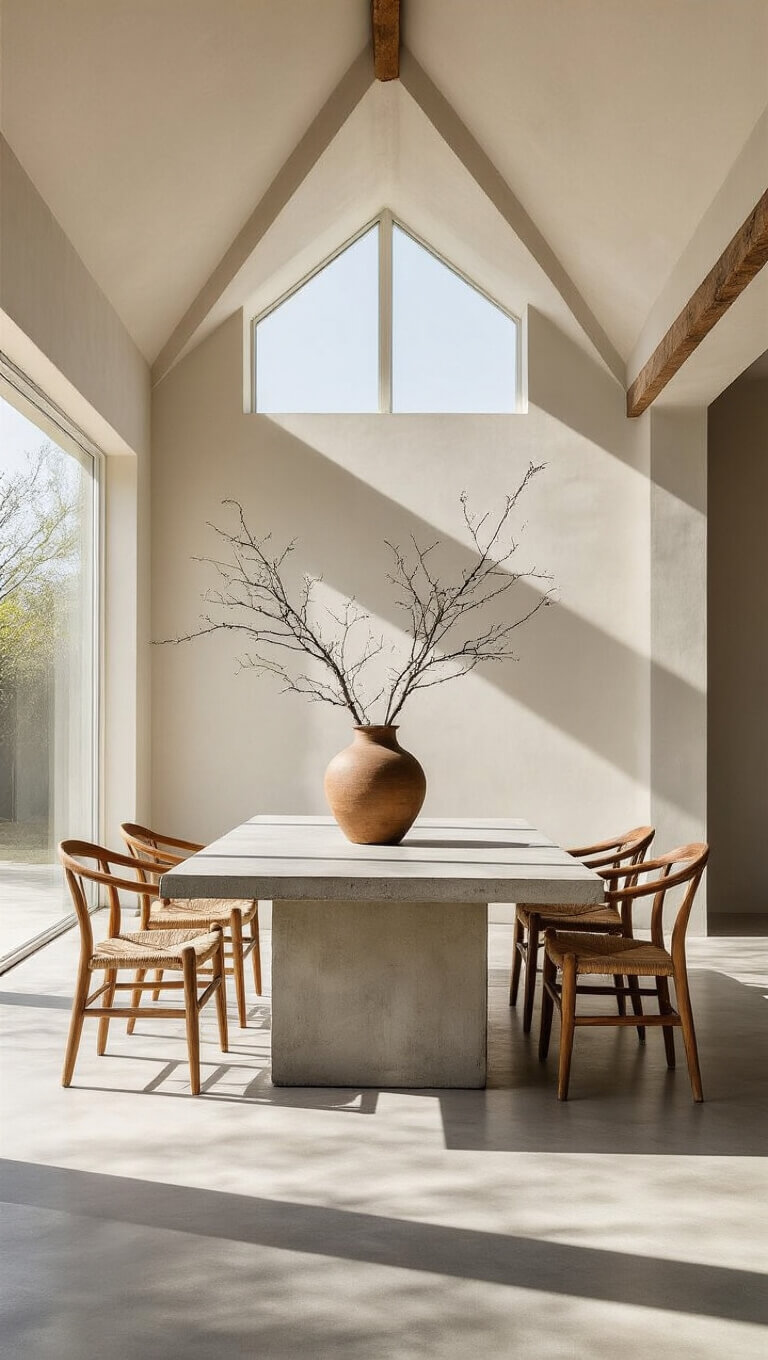
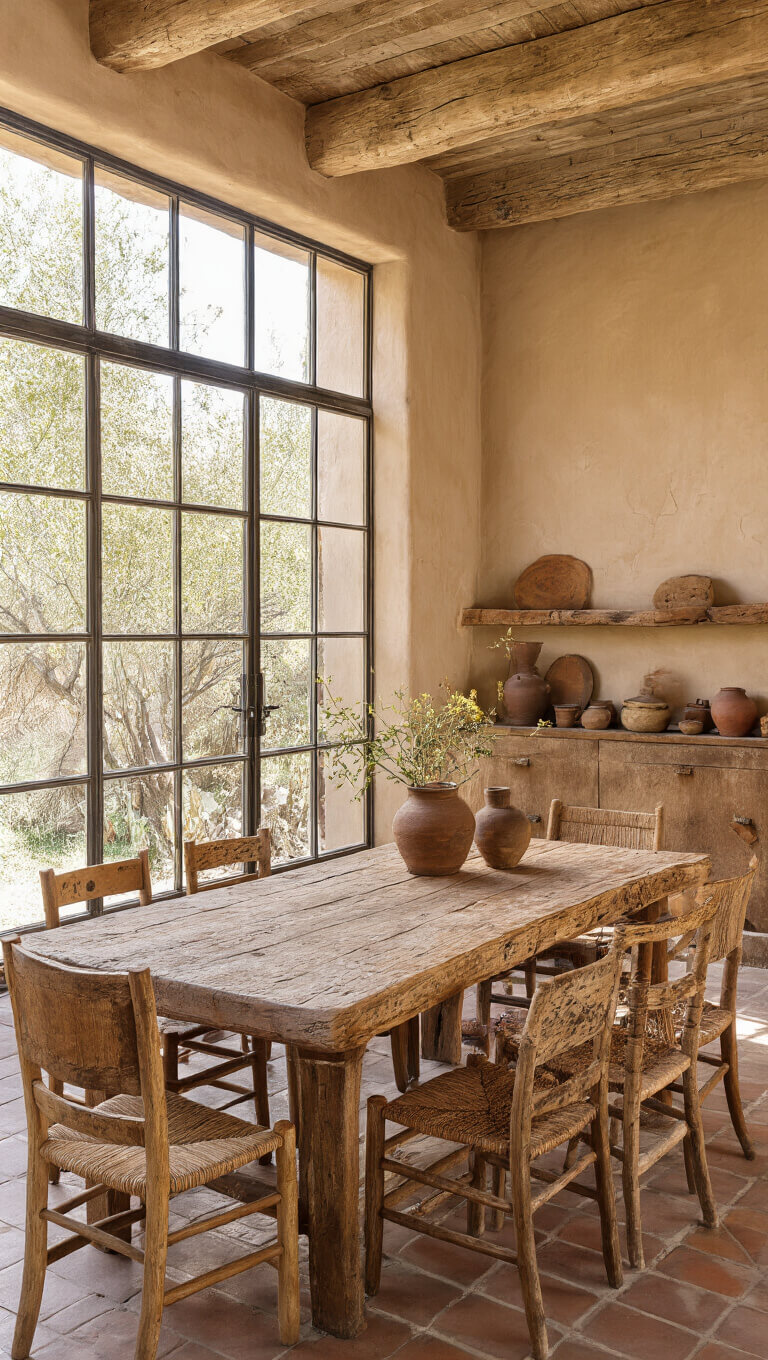
Wabi Sabi Dining: Embracing Imperfect Beauty in Your Home Spaces
Listen up, design lovers. Wabi Sabi isn’t just a design trend—it’s a lifestyle that celebrates the beautiful mess of real living.
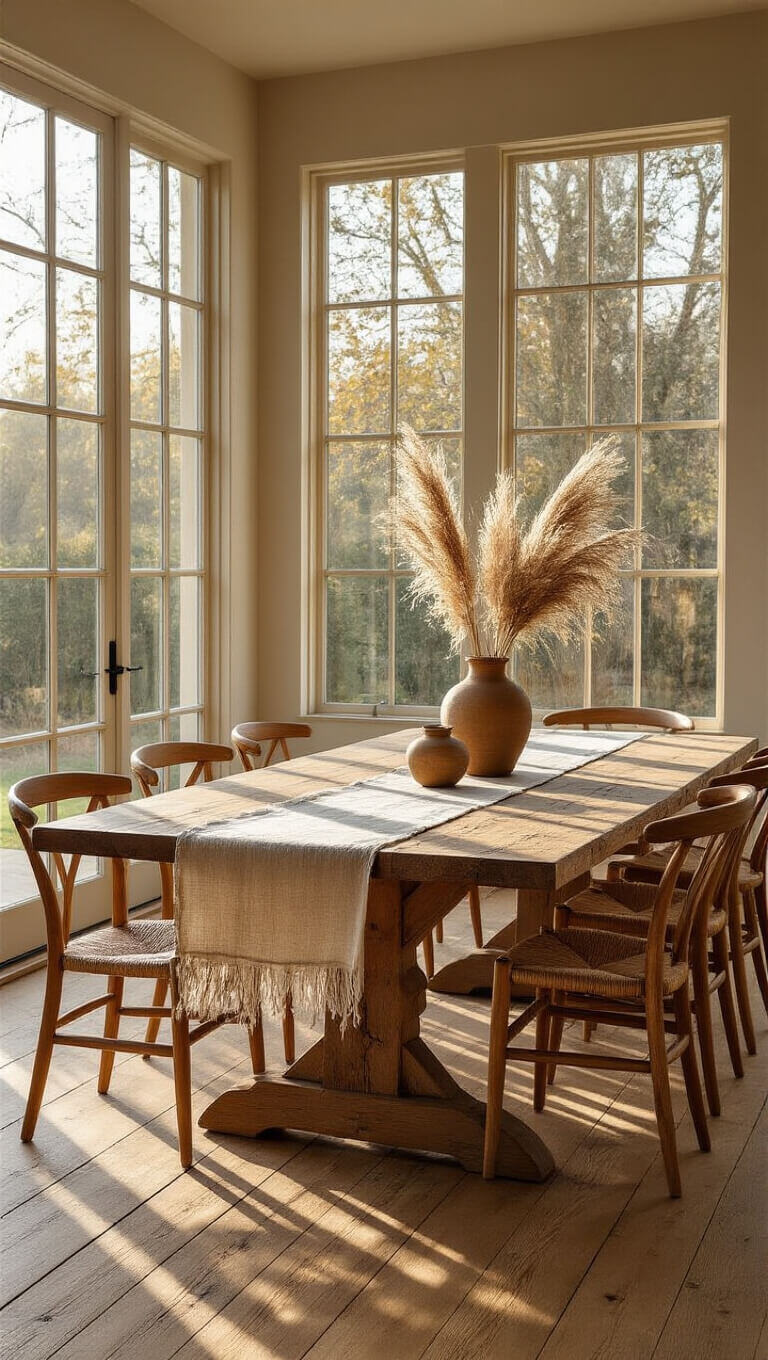
Why Wabi Sabi Matters in Your Dining Space
Imagine a dining area that breathes authenticity. Where every scratch tells a story, and perfection takes a backseat to genuine character. That’s Wabi Sabi in a nutshell.
Quick Project Snapshot:
- Time Investment: 2–4 hours (maybe more if you’re a vintage hunting fanatic)
- Budget Range: Totally flexible—from thrift store finds to artisan pieces
- Skill Level: Zero construction skills required. Just good taste and a keen eye
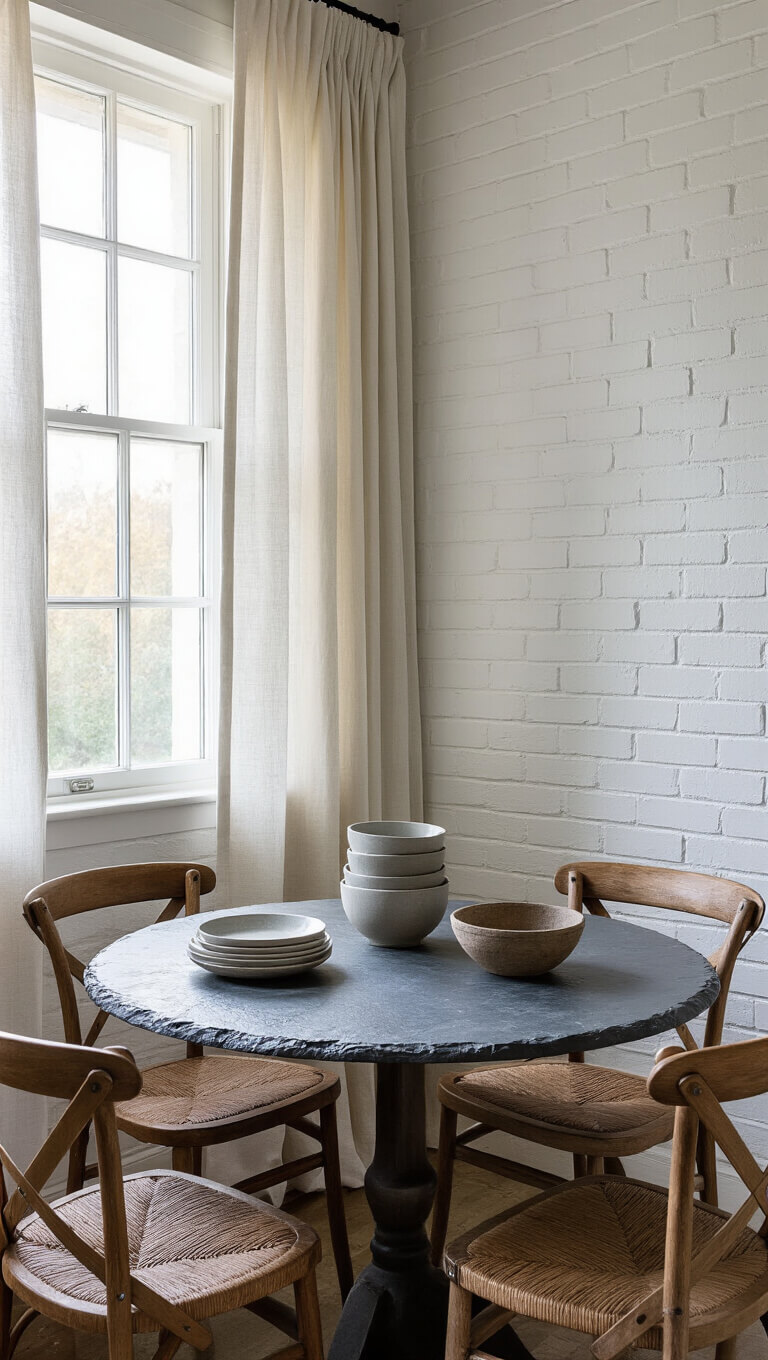
The Wabi Sabi Design Philosophy
Wabi Sabi isn’t about looking perfect. It’s about feeling real. Think:
- Earthy color palettes
- Natural materials
- Textures that whisper instead of scream
- Furniture with stories embedded in every grain
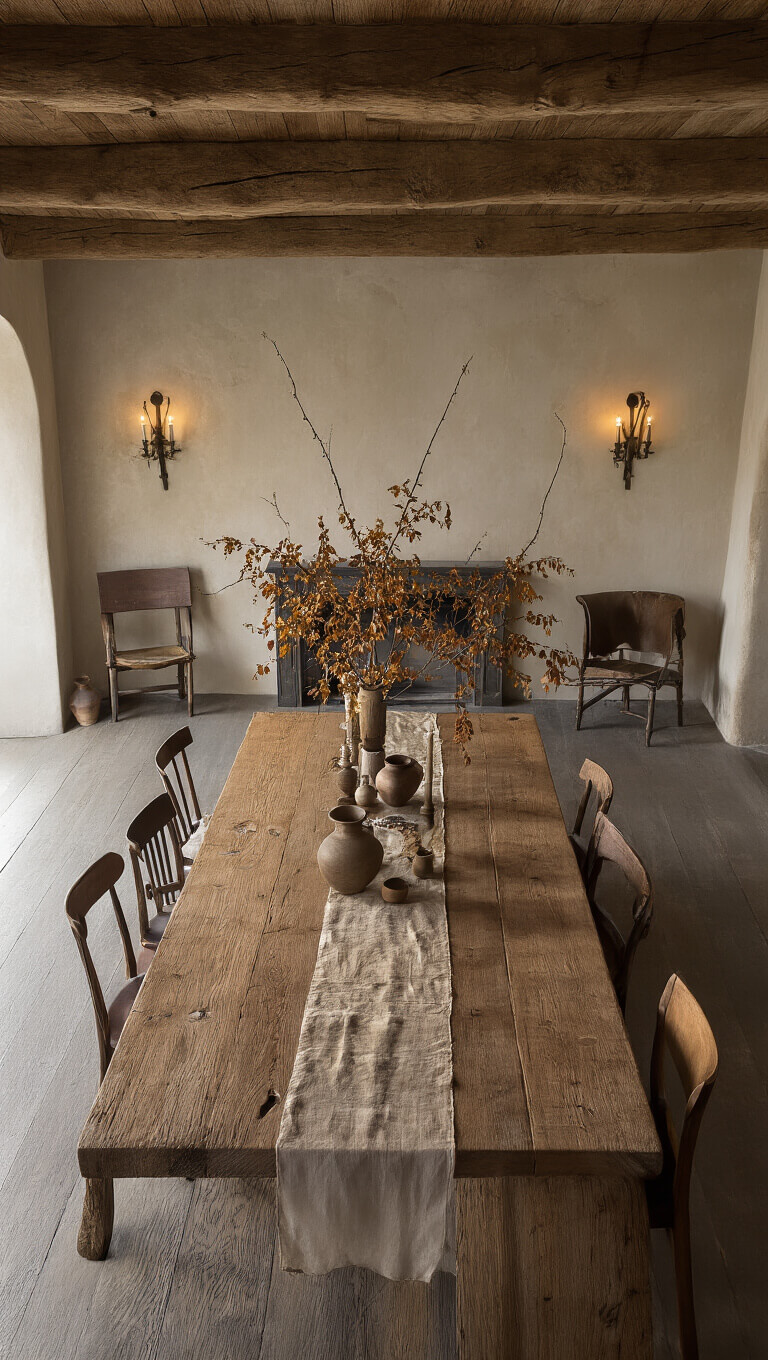
Essential Pieces for Your Wabi Sabi Dining Space
1. The Hero Piece: Your Dining Table
- Wooden tables with visible knots? Chef’s kiss
- Prefer darker vibes? Consider a slate or stone-topped table
- Pro tip: The more “imperfections”, the better
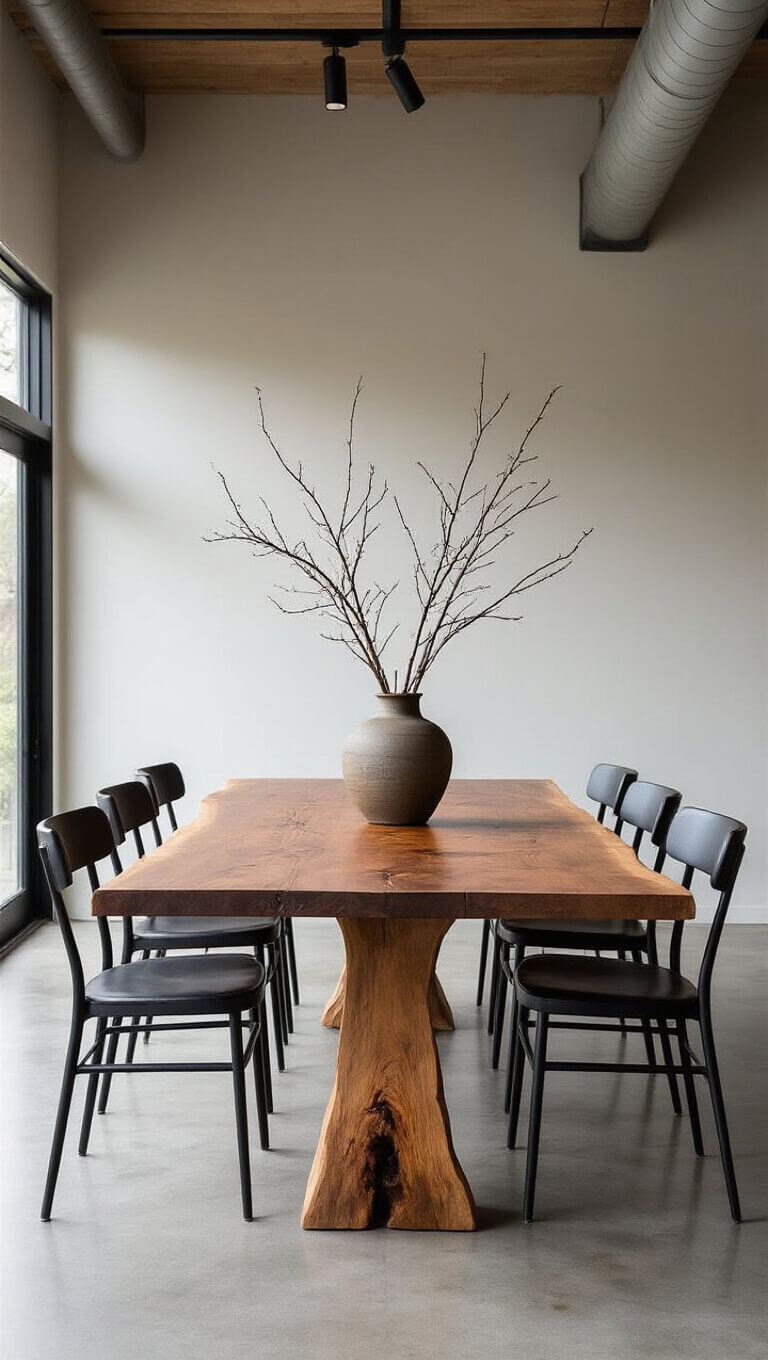
2. Complementary Decor That Makes the Space
- Vintage chairs (bonus points for mismatched sets)
- Handcrafted ceramic plates
- Linen runners that look slightly rumpled
- Minimalist art that doesn’t try too hard
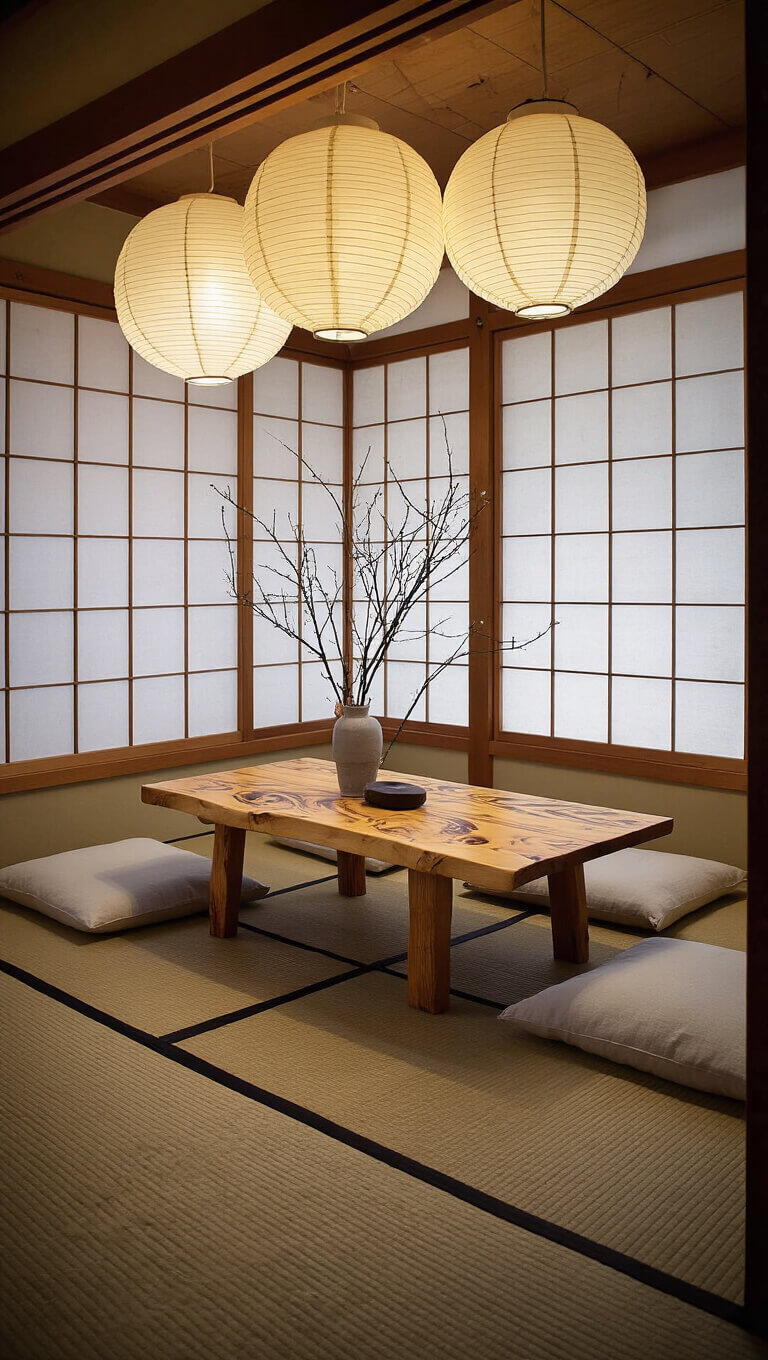
Styling Like a Pro: Texture is King
Layering isn’t just for clothing. In Wabi Sabi, it’s an art form:
- Mix rough wood textures
- Add soft linen elements
- Sprinkle in unglazed ceramics
- Let each piece breathe and tell its own story
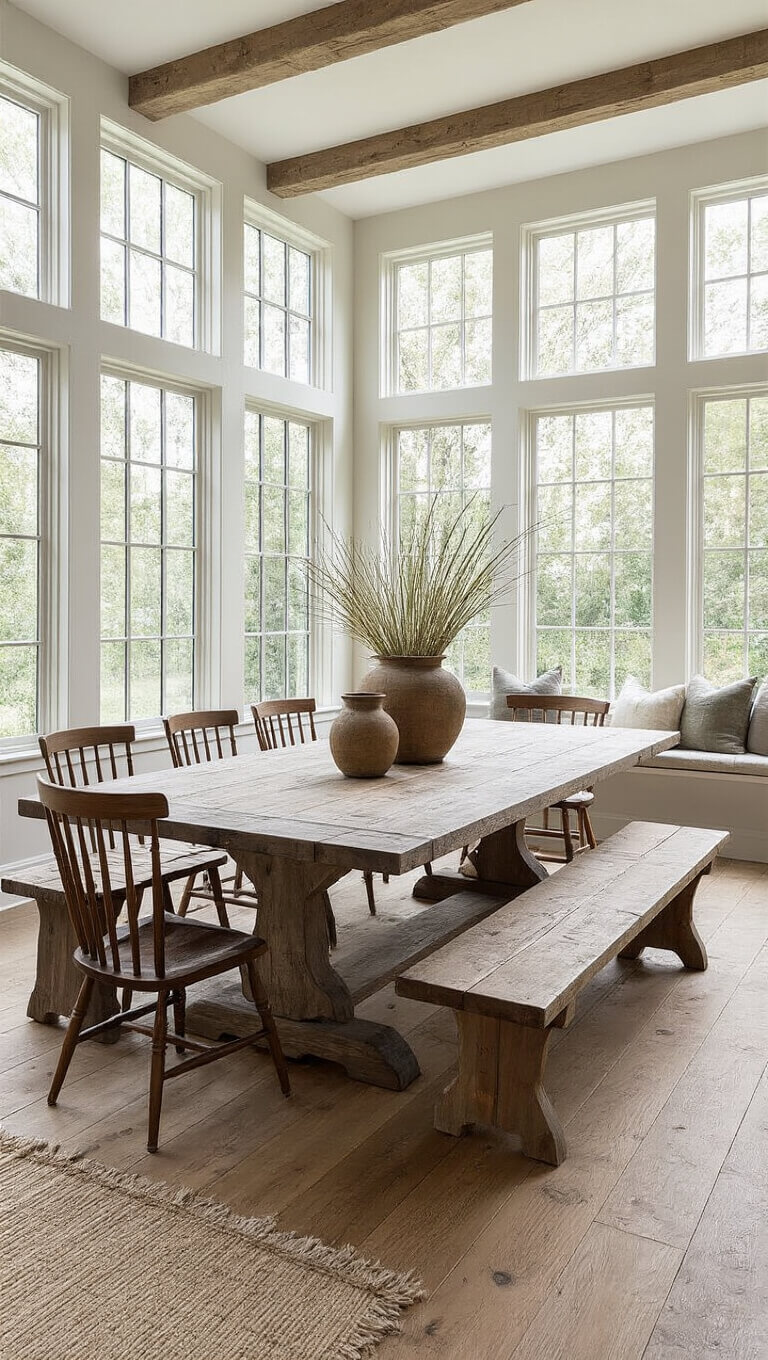
Seasonal Transformations
The beauty of Wabi Sabi? It evolves:
- Spring: Light linens, fresh branches
- Summer: Dried wildflowers, lighter ceramics
- Autumn: Warm browns, foraged elements
- Winter: Deeper textures, moody accents
Budget-Friendly Pro Tips
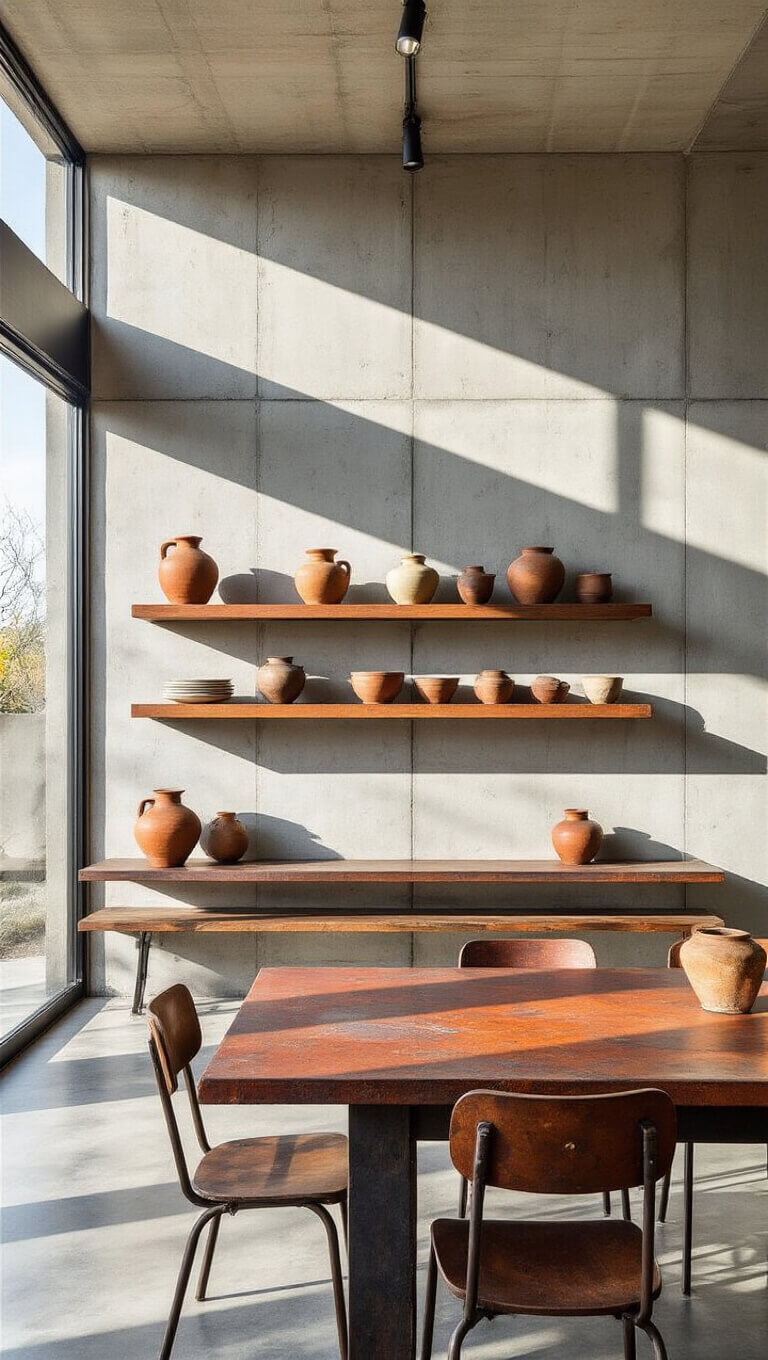
- Thrift stores are your best friend
- One statement piece can transform everything
- Natural elements are free (hello, backyard foraging!)
Capturing the Vibe: Photography Notes
Want to share your space? Remember:
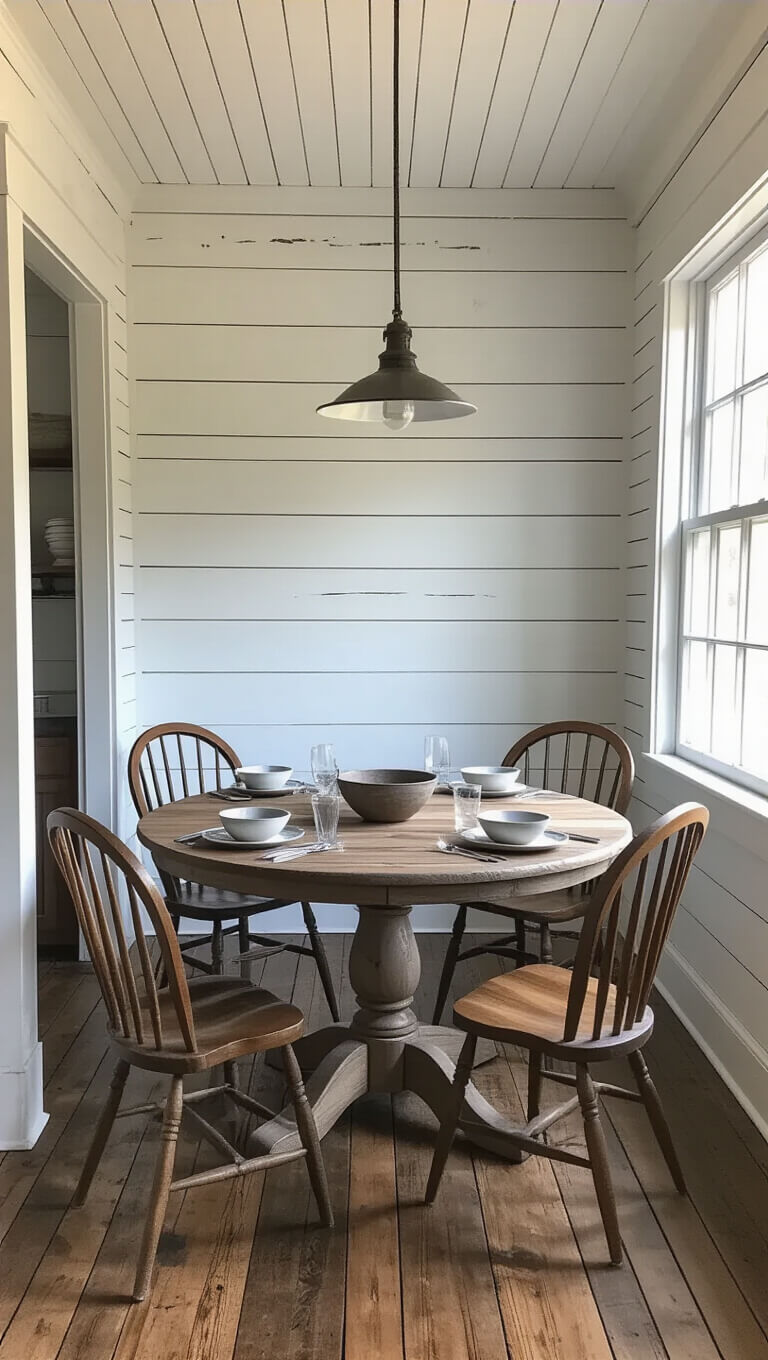
- Soft, natural lighting
- Capture texture details
- Let imperfections shine
- Avoid over-staging
Keywords for Sharing
- Wabi Sabi dining
- Natural home decor
- Minimalist interiors
- Organic styling
Final Thoughts: Perfection is Overrated
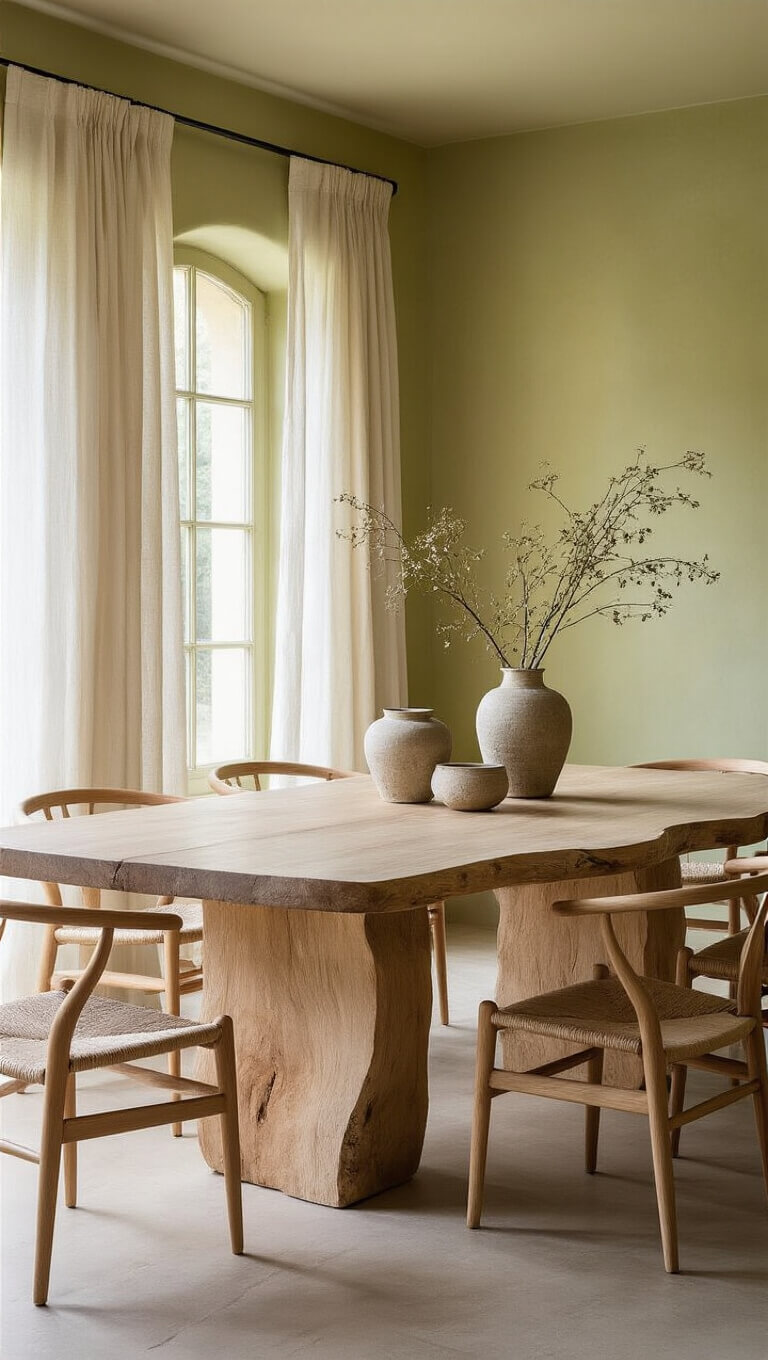
Wabi Sabi teaches us something profound: beauty isn’t about being flawless. It’s about being authentic.
Your dining space should feel like a warm hug—imperfections, stories, and all.
Ready to embrace the beautifully imperfect? Your journey starts now.