What Exactly is Wabi Sabi Kitchen Design?
Imagine a kitchen that tells a story. Not a perfect, magazine-spread story, but a real, lived-in narrative of authenticity and comfort. Wabi Sabi is a Japanese philosophy that finds profound beauty in:
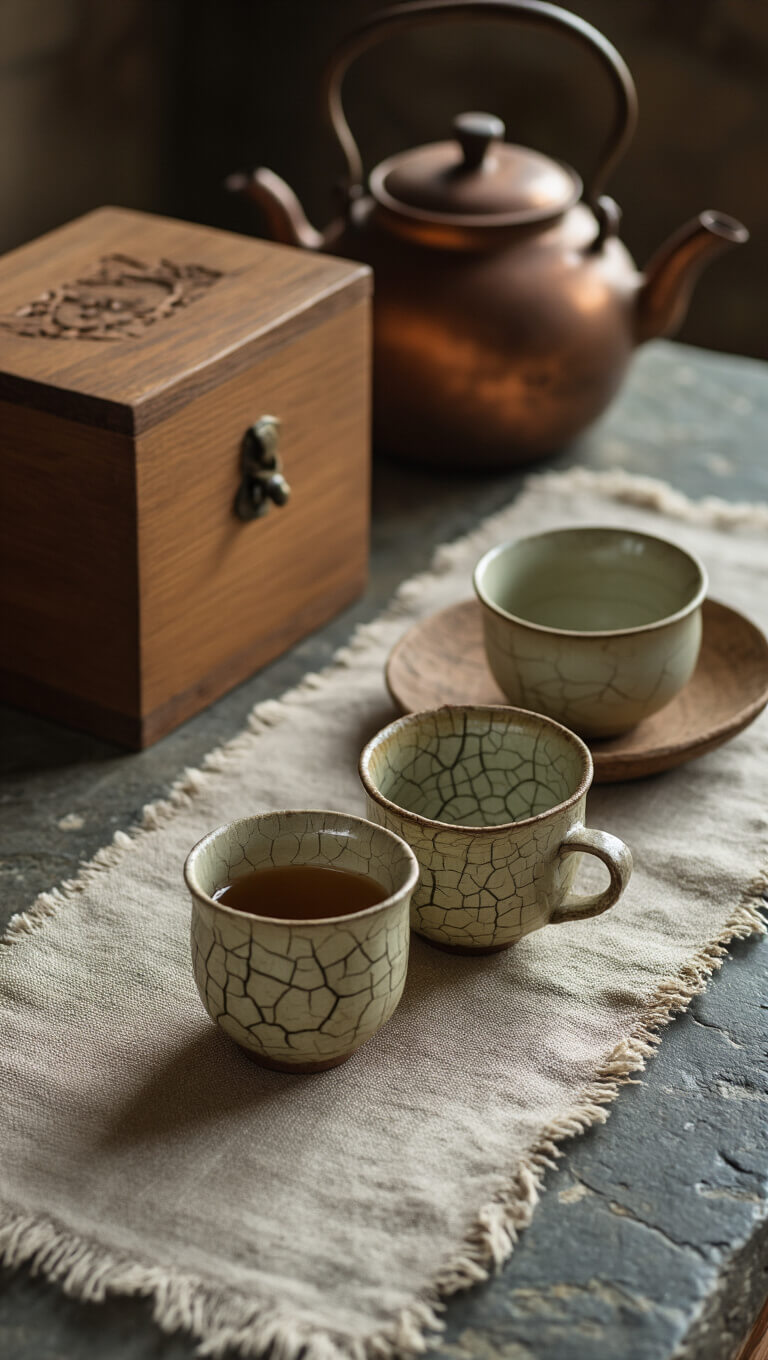
- Imperfection: Chipped ceramics? Gorgeous.
- Natural aging: Weathered wood? Stunning.
- Authentic living: Real spaces that breathe life and character.
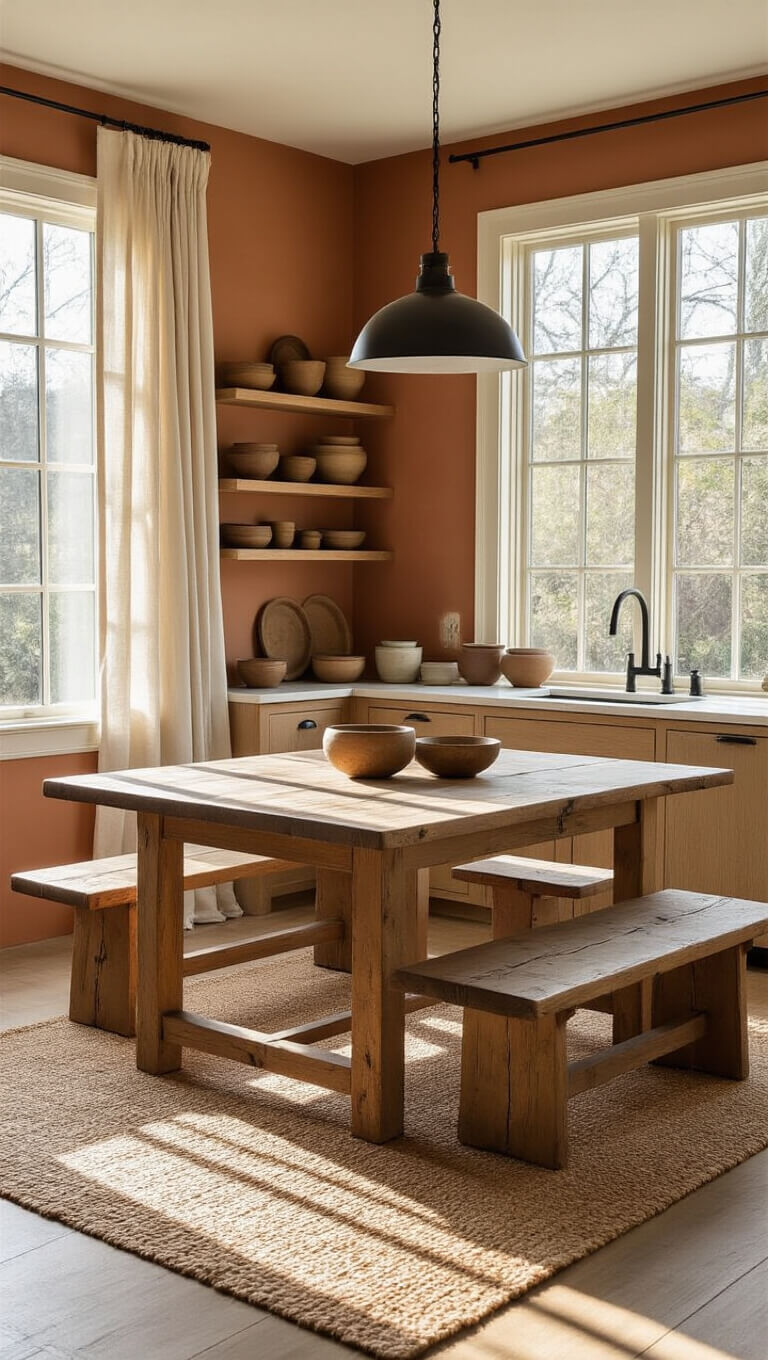
Why Your Kitchen Needs the Wabi Sabi Treatment
My kitchen used to feel sterile and lifeless. Pristine white surfaces, zero personality. Then I discovered Wabi Sabi, and everything changed.
Key Elements That Define the Style
Materials Matter
- Earthy neutrals: Think warm greys, soft sage, clay tones
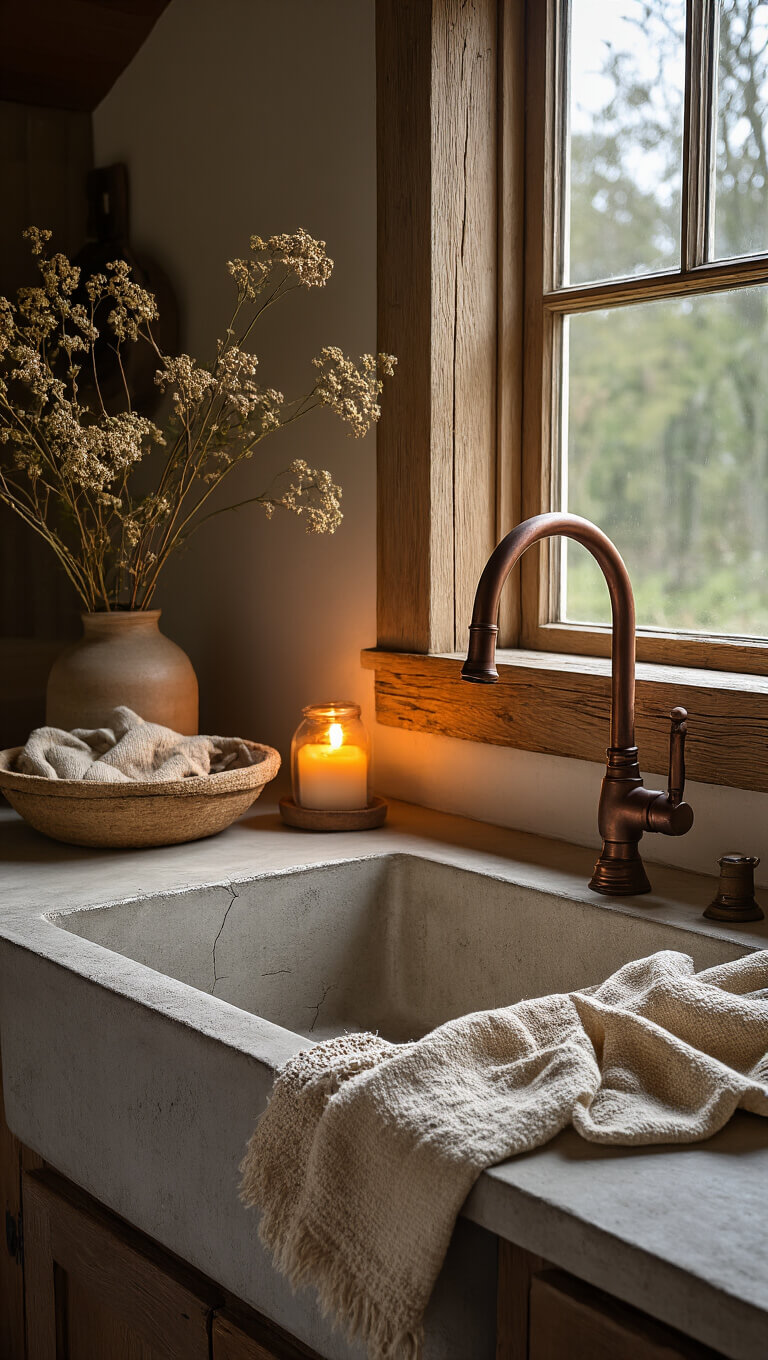
- Natural textures: Wood, stone, linen, rough ceramics
- Matte finishes that whisper instead of scream
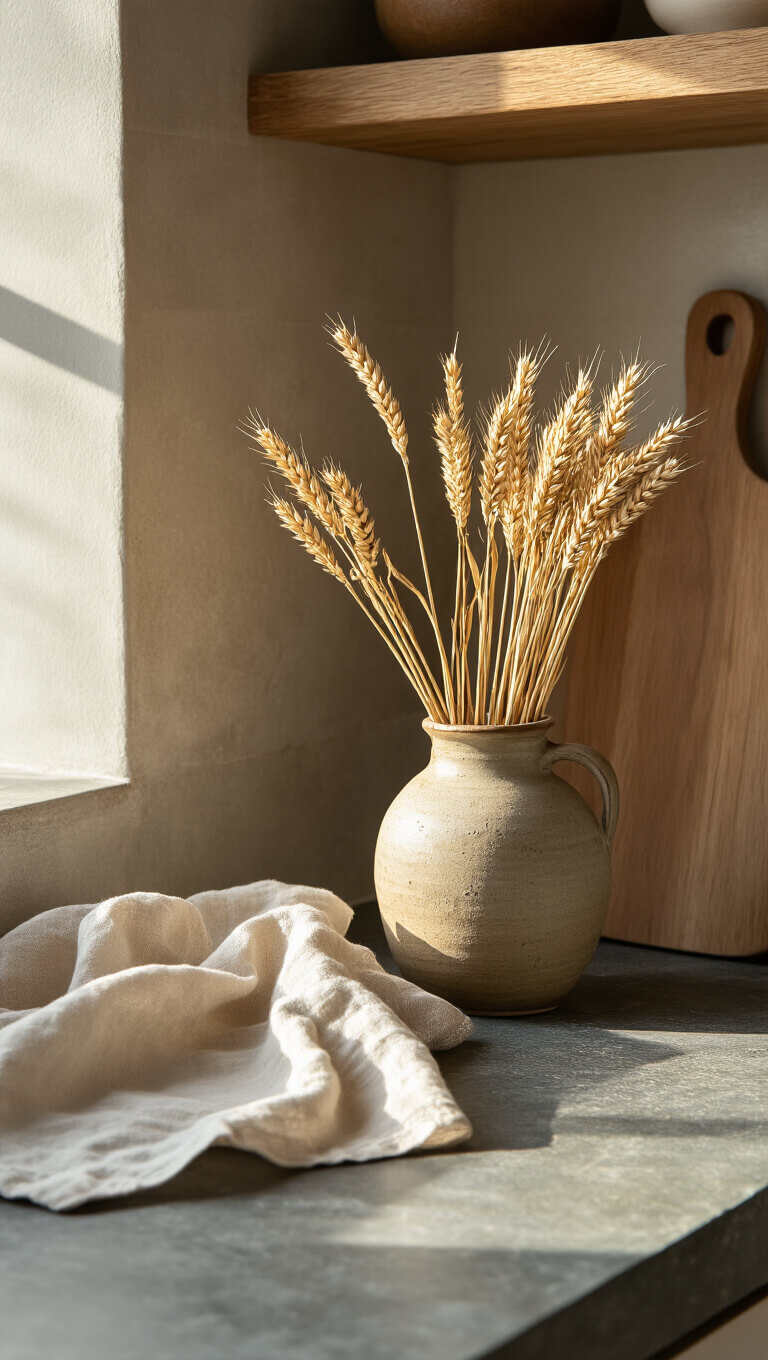
Essential Pieces to Transform Your Space
Must-Have Hero Pieces:
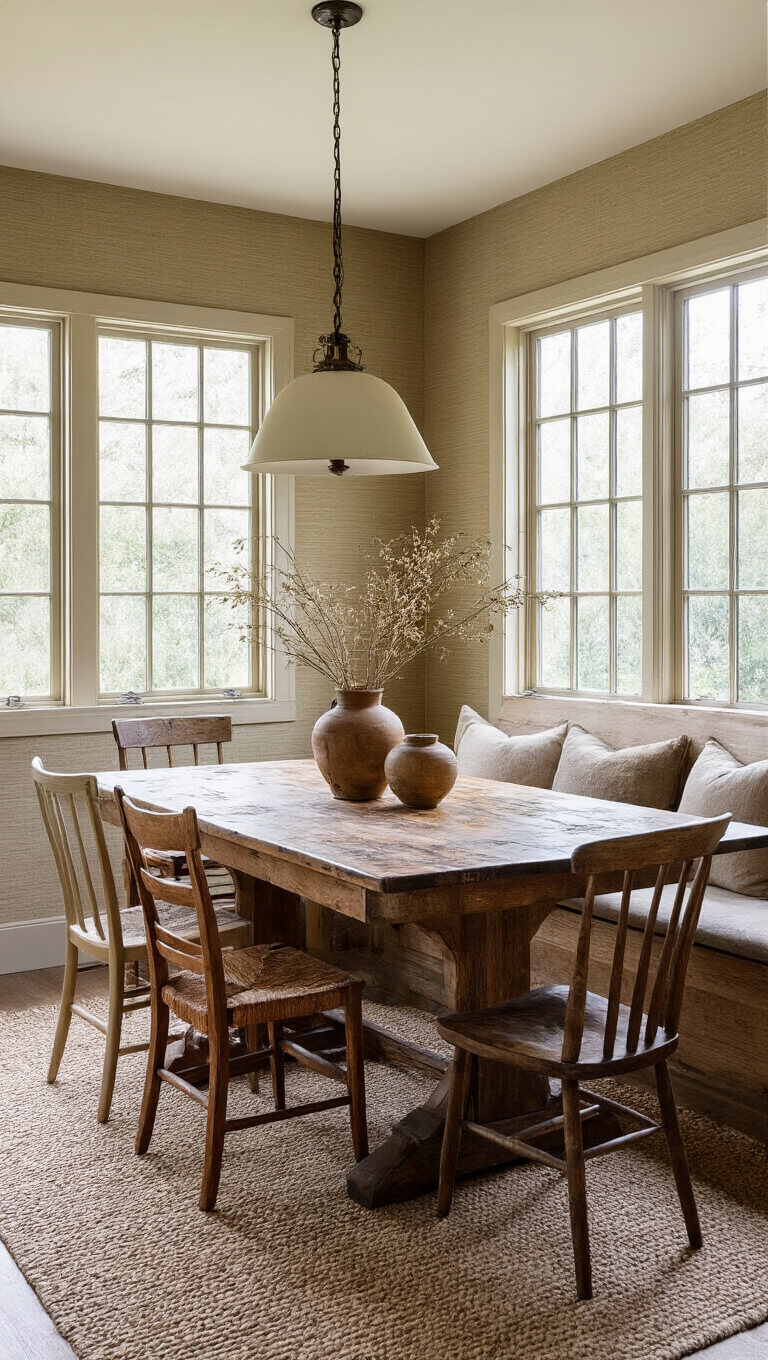
- Weathered wooden dining table
- Stone or clay countertop
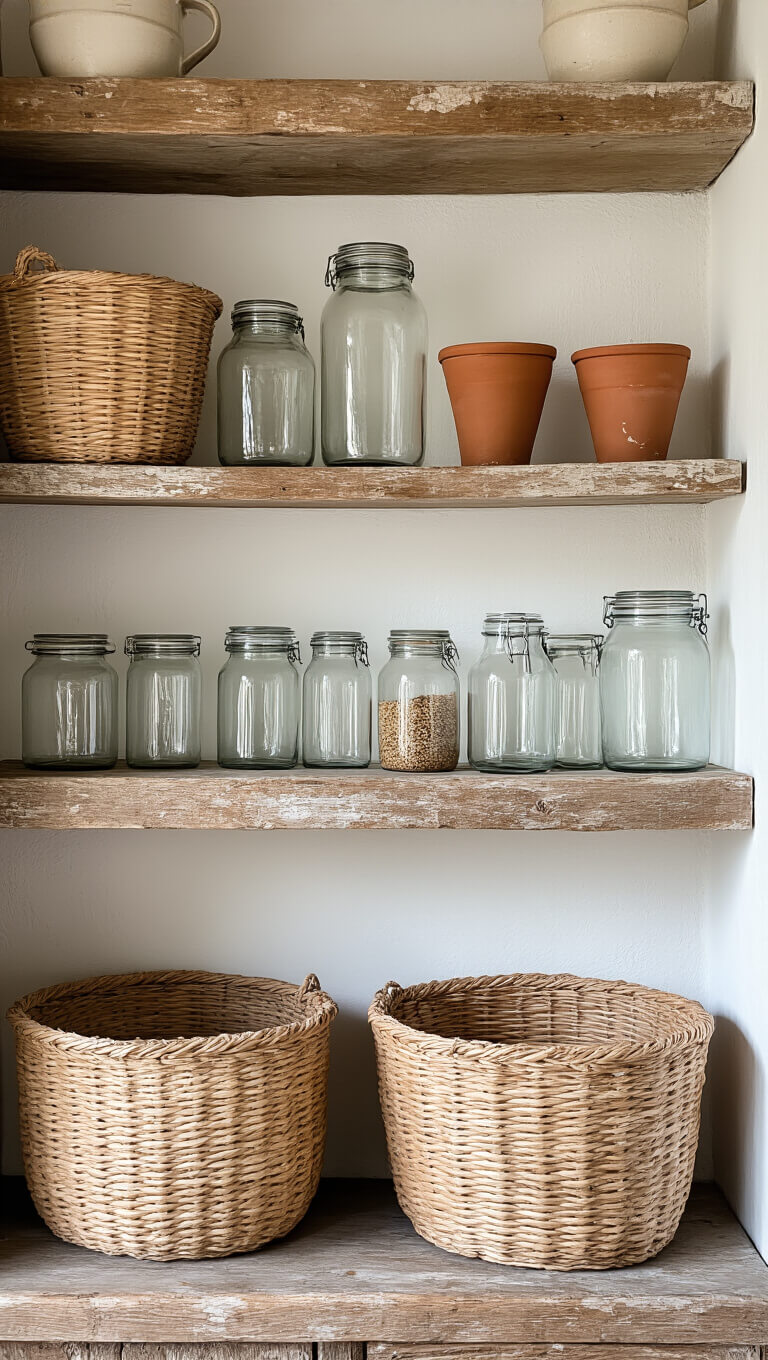
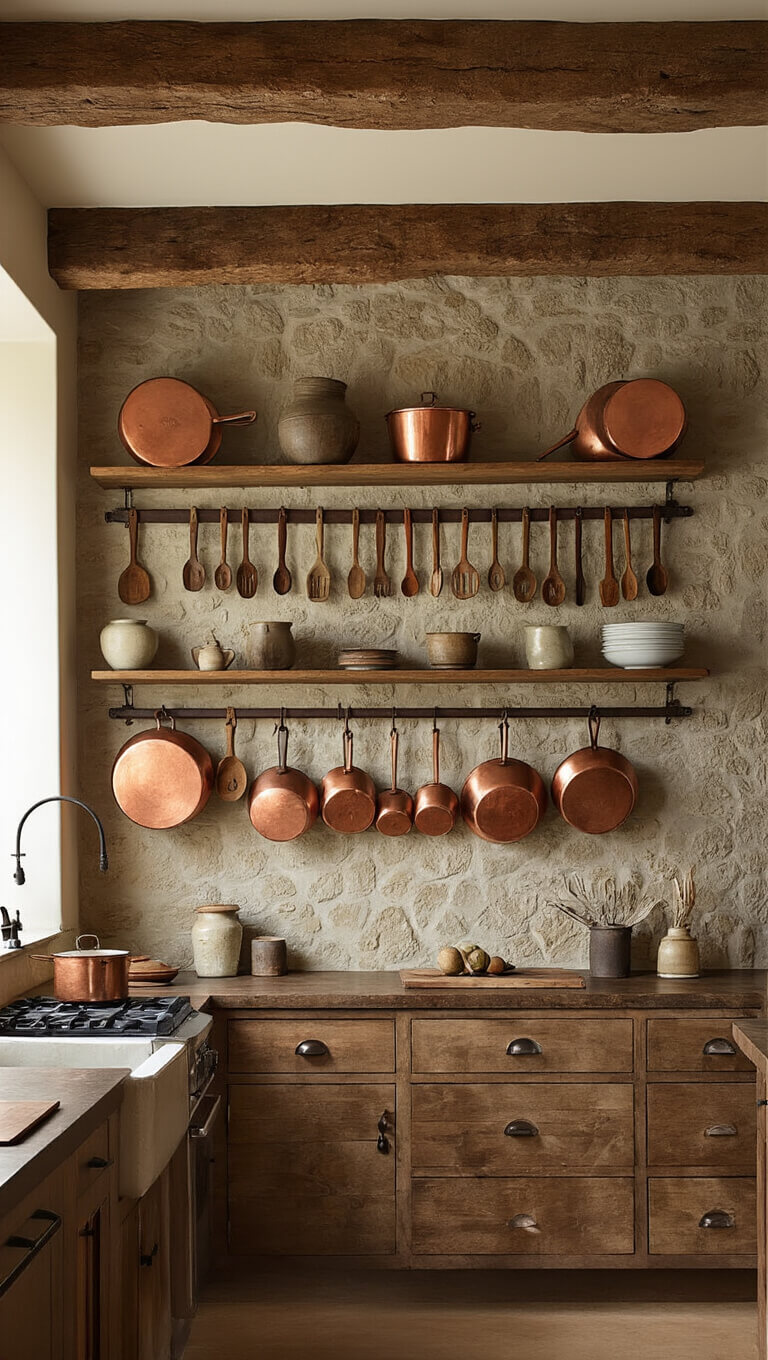
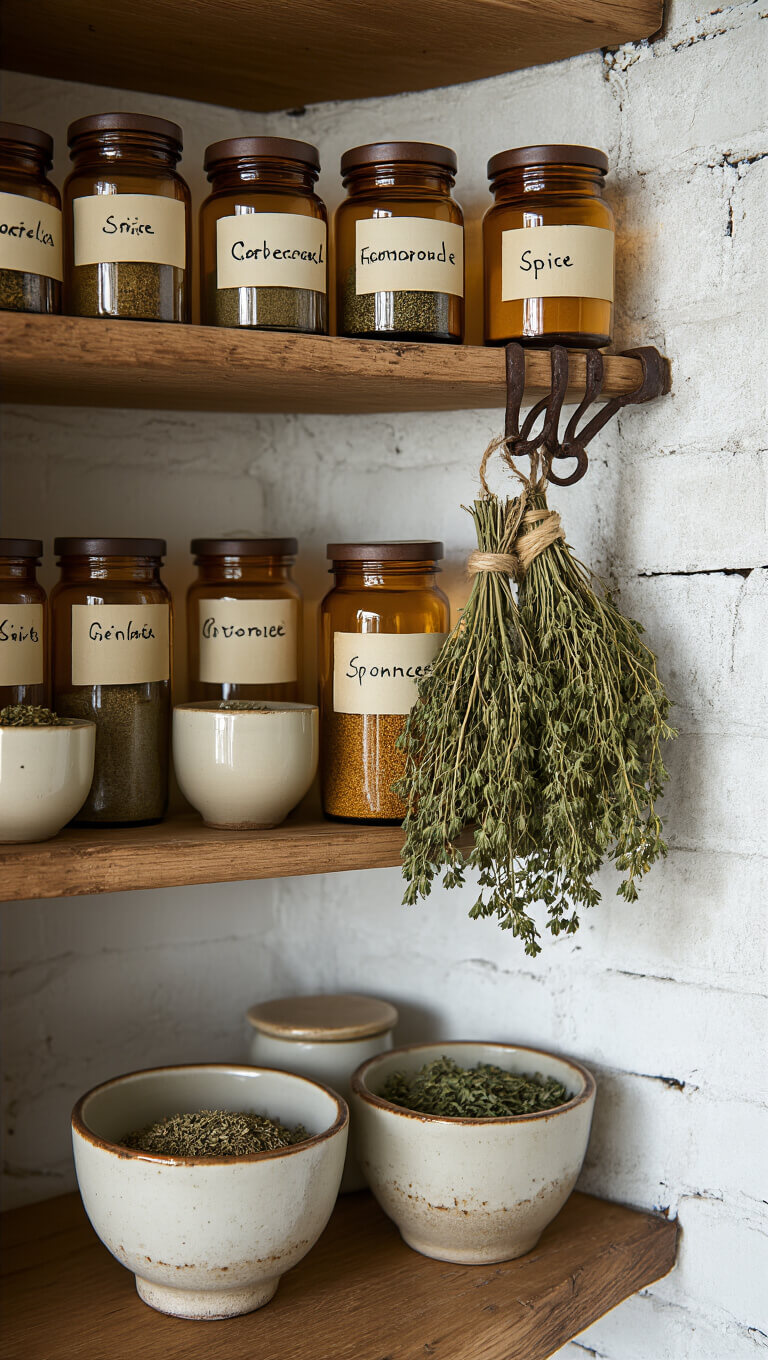
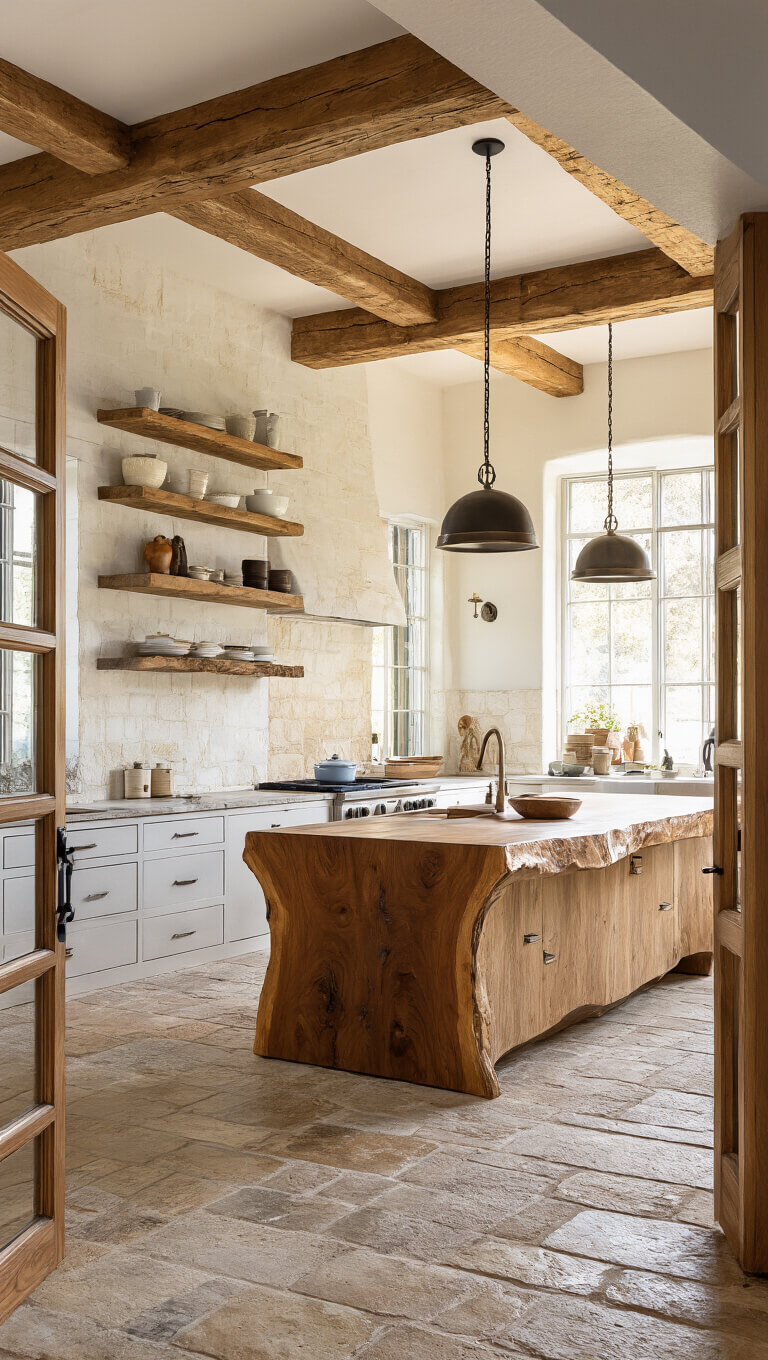
- Open shelving with handmade ceramics
- Vintage or handcrafted accessories
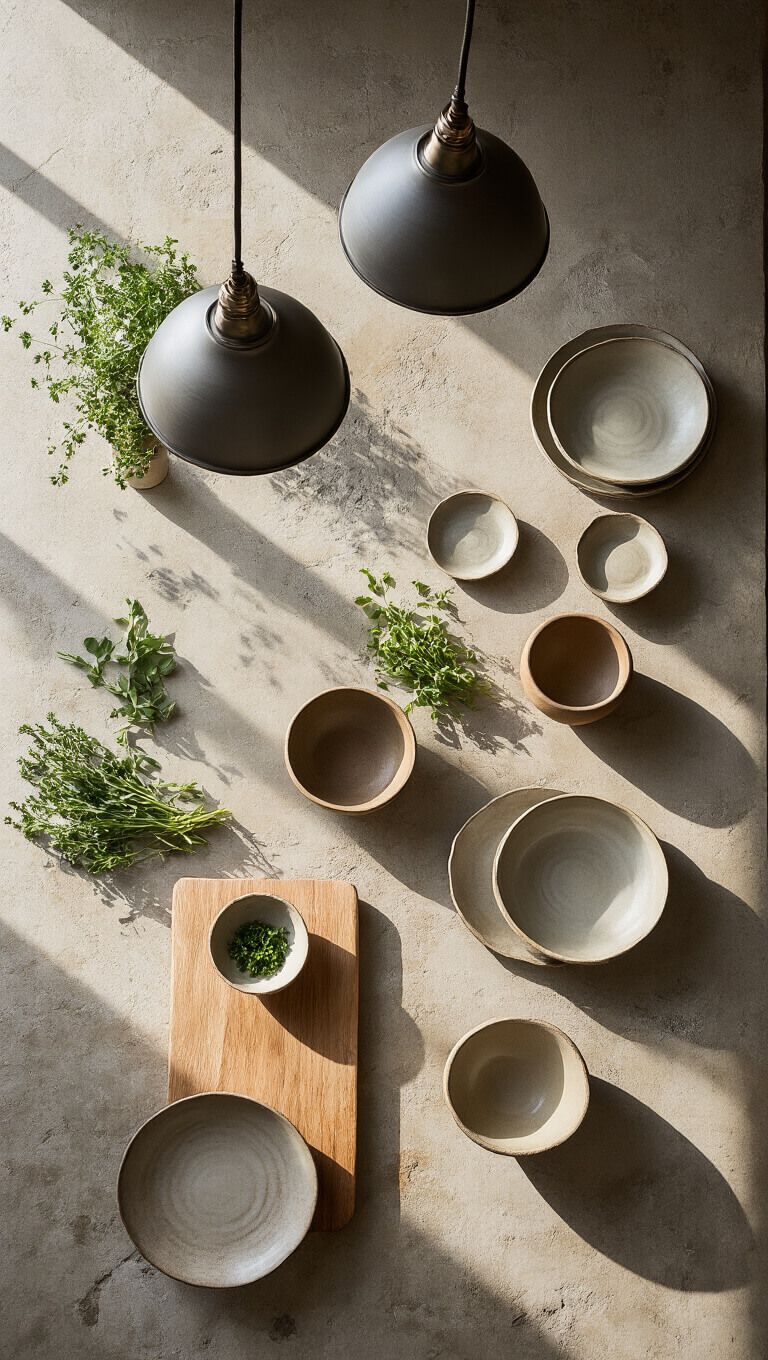
Styling Your Wabi Sabi Kitchen: Pro Tips
Texture is Your Best Friend
Layering isn’t just for clothing. In a Wabi Sabi kitchen, texture creates magic:
- Pair rough ceramic bowls with soft linen towels
- Mix matte pottery with grainy wooden surfaces
- Let imperfections shine
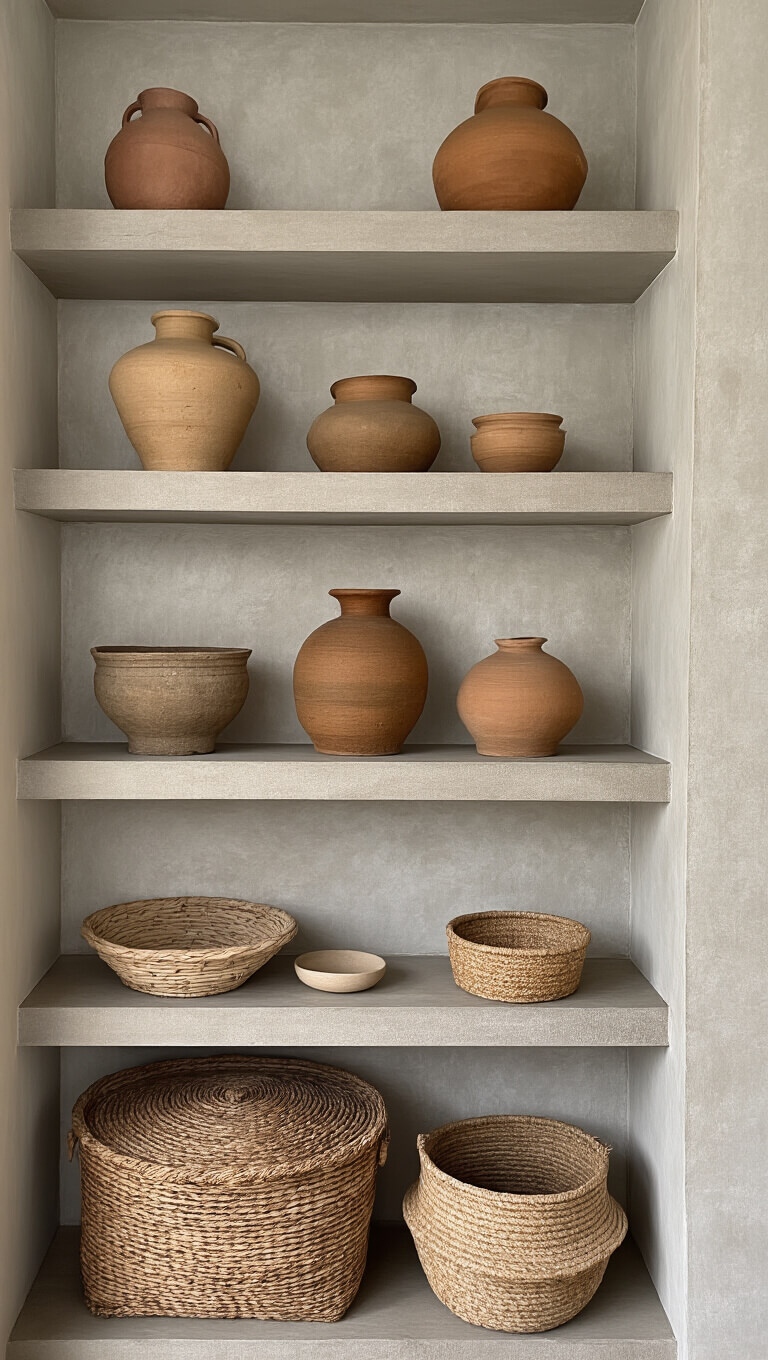
Accessorizing with Intention
Less is definitely more. Choose pieces that:
- Tell a story
- Feel authentic
- Showcase natural wear and tear
Pro Tip: One beautiful, slightly imperfect ceramic bowl is worth more than 10 perfectly mass-produced items.
Budget-Friendly Wabi Sabi Transformations
You don’t need a massive budget to embrace this style. My favorite hacks:
- Thrift unique ceramics
- DIY linen napkins
- Repaint an accent wall in earthy neutrals
- Display everyday objects as art
Seasonal Refreshes
The beauty of Wabi Sabi? It’s always evolving. Quick seasonal updates:
- Summer: Fresh herb clusters, light linens
- Autumn: Foraged branches, warm clay tones
- Winter: Soft textures, muted greys
- Spring: Delicate wildflowers, fresh greens
Common Mistakes to Avoid
- Don’t over-style
- Avoid anything too perfect or shiny
- Limit bold, artificial colors
- Embrace negative space
Final Thoughts
Wabi Sabi isn’t just a design style—it’s a philosophy of finding beauty in life’s imperfections. Your kitchen isn’t just a cooking space; it’s a canvas that tells your unique story.
Quick Styling Checklist:
- Natural materials ✓
- Muted color palette ✓
- Handcrafted accessories ✓
- Embrace imperfection ✓
Ready to transform your kitchen into a sanctuary of authentic beauty?