What Exactly is Shabby Chic?
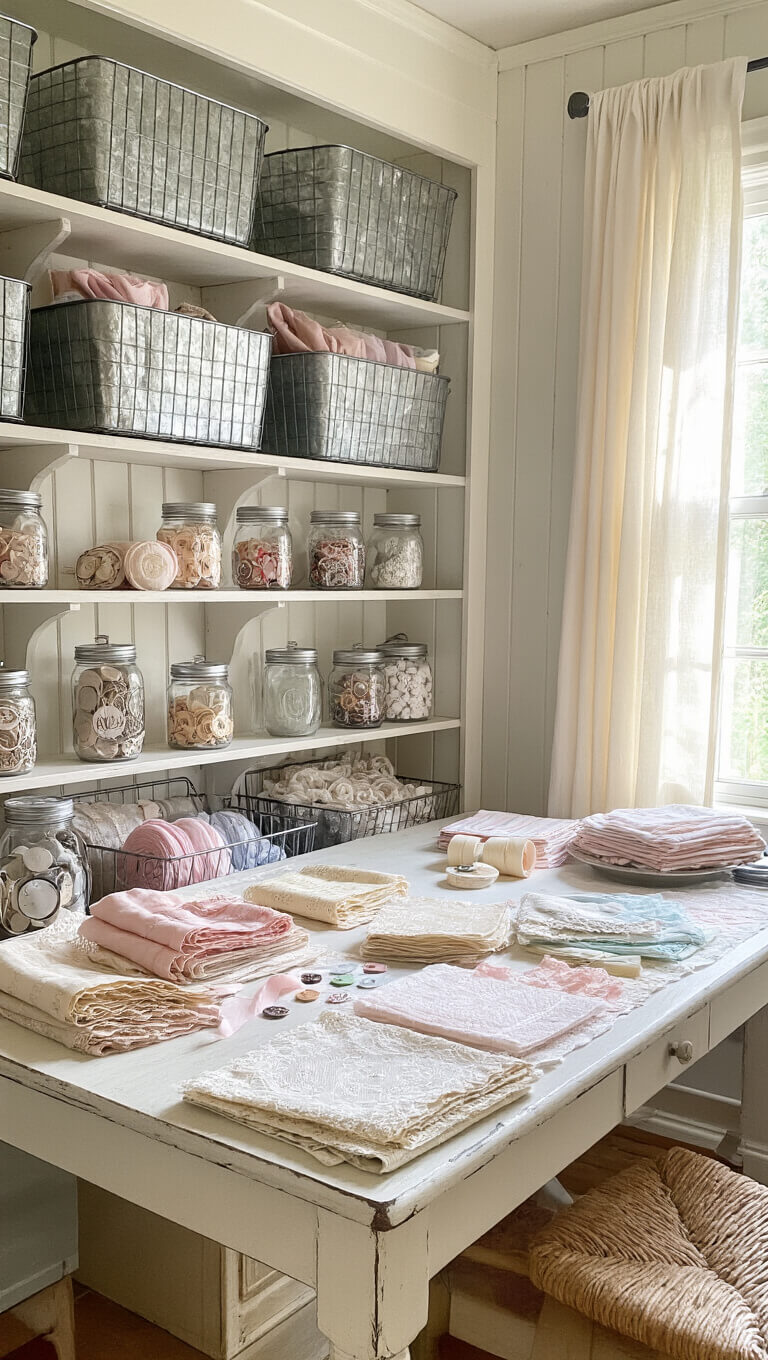
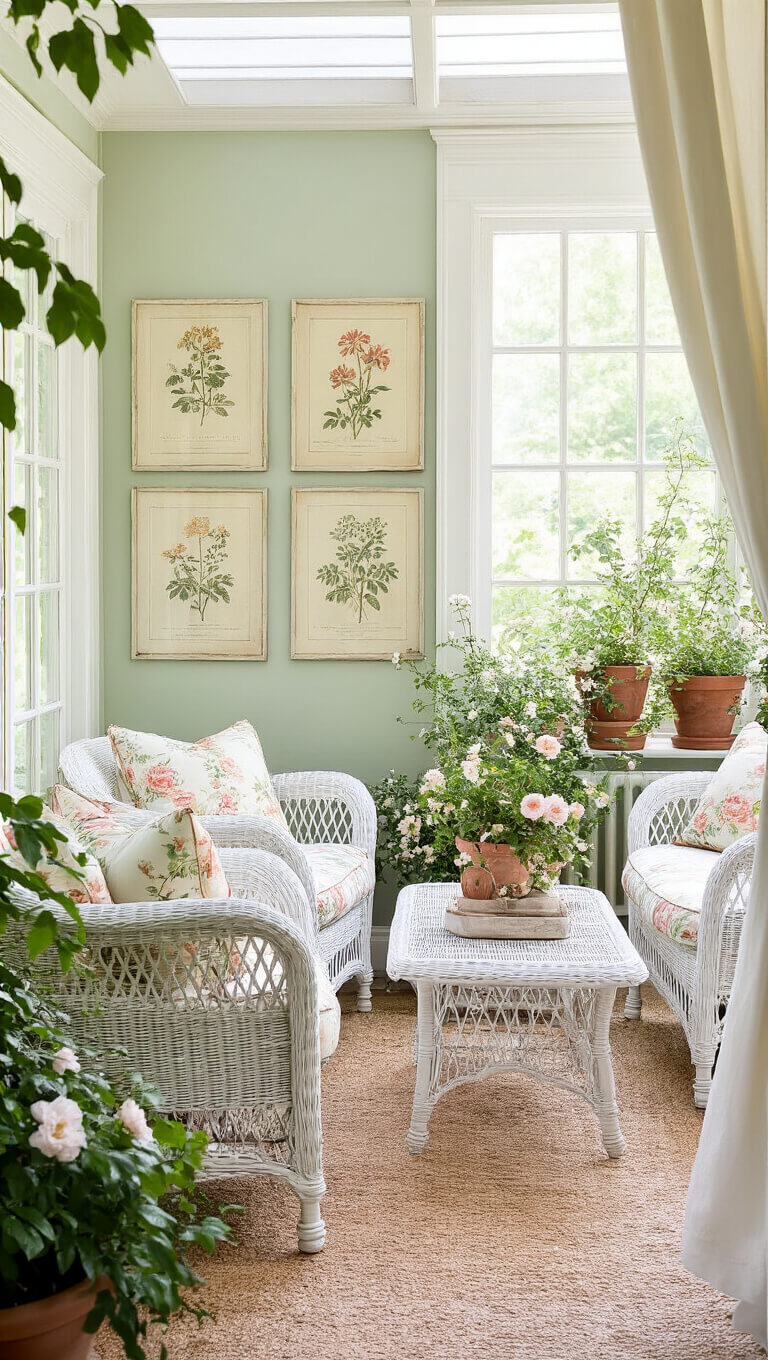
Shabby chic isn’t just a design style – it’s a love letter to vintage charm. Think soft pastels, distressed furniture, and a whole lot of romantic vibes. It’s where your grandma’s antique dresser meets modern comfort, creating a space that feels both nostalgic and utterly livable.
Key Characteristics of Shabby Chic Design
Quick Style Snapshot:
- Time to Transform: 2-5 hours for a small room
- Budget Range: $100 to $800+ (totally flexible!)
- Perfect For: Bedrooms, living rooms, cozy nooks
- Skill Level: Beginner to intermediate DIY enthusiasts
Essential Elements to Nail the Shabby Chic Look
Must-Have Pieces for Your Shabby Chic Space
- Furniture Foundations
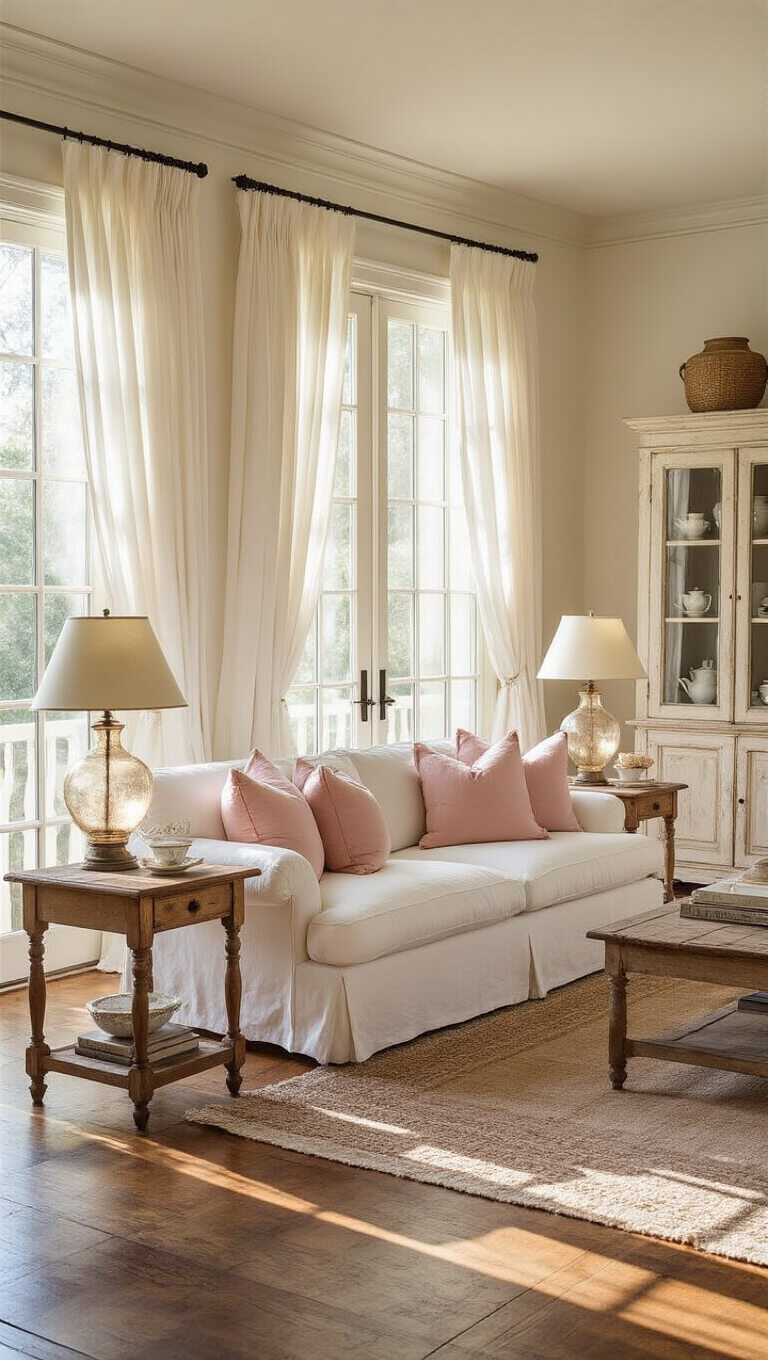
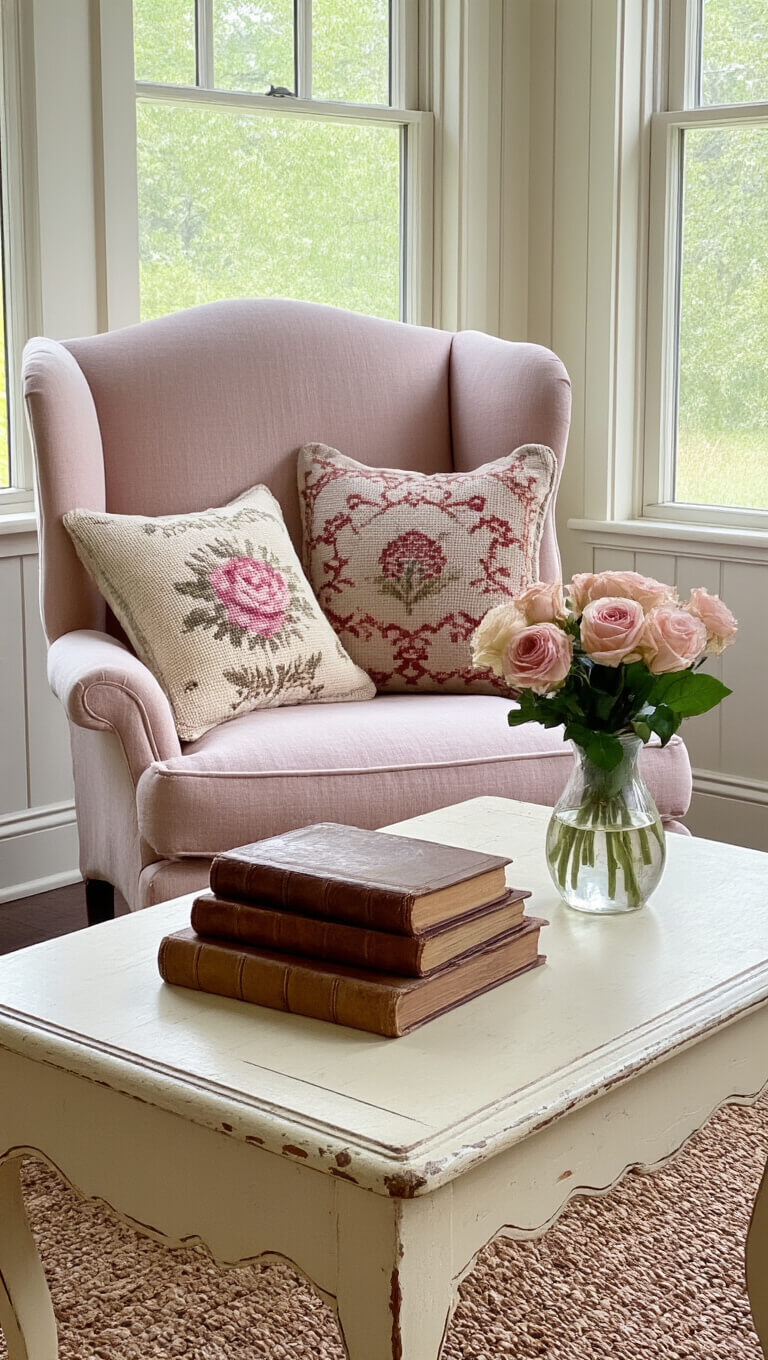
- Distressed white or pastel-painted furniture
- Slipcovered sofas and chairs
- Vintage-inspired wooden pieces with gentle wear
- Textural Treasures
- Linen throws
- Ruffled pillows
- Vintage floral prints
- Lace accents
Color Palette: Soft and Dreamy
Stick to:
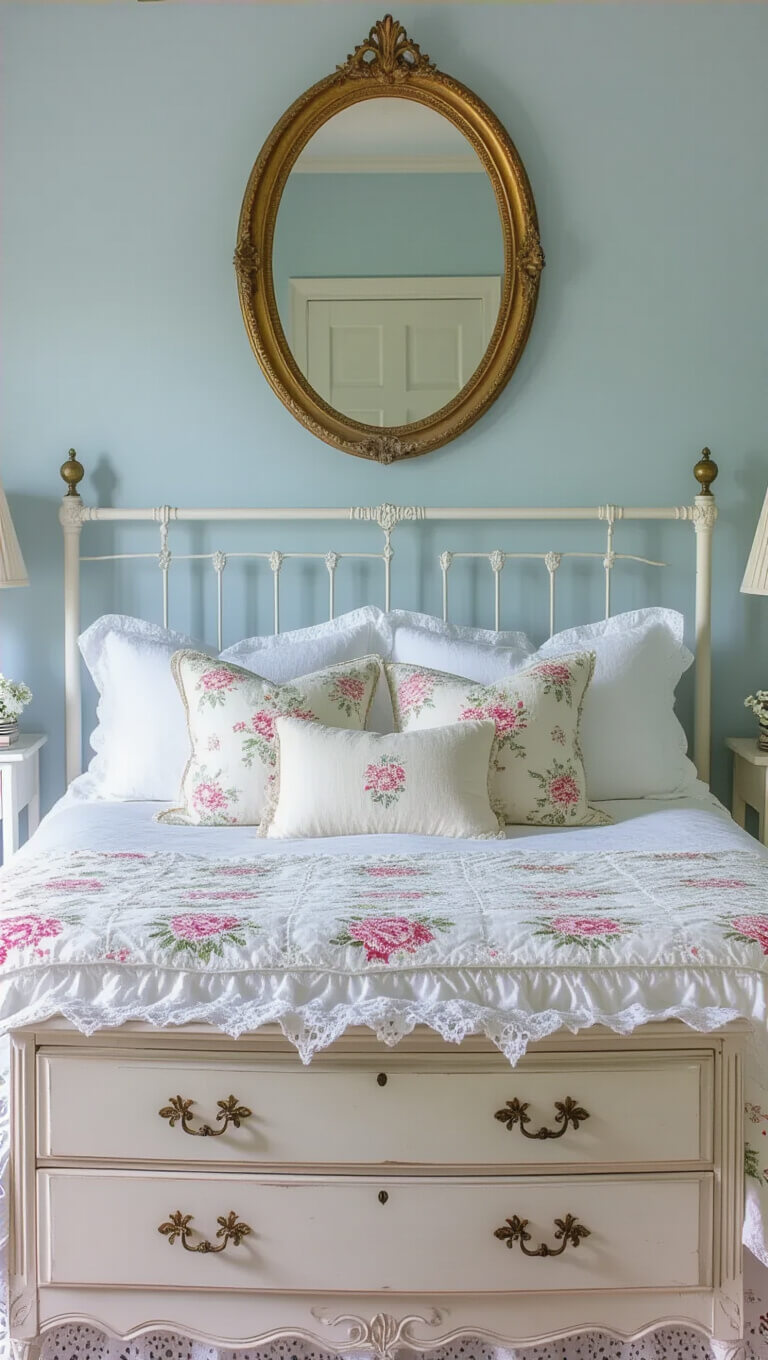
- Pure whites
- Soft pastels (think rose pink, sky blue)
- Ecru and beige
- Gentle, muted tones that whisper rather than shout
Pro Styling Tips for Shabby Chic Perfection
Layering Like a Pro
Texture Mixing Secrets:
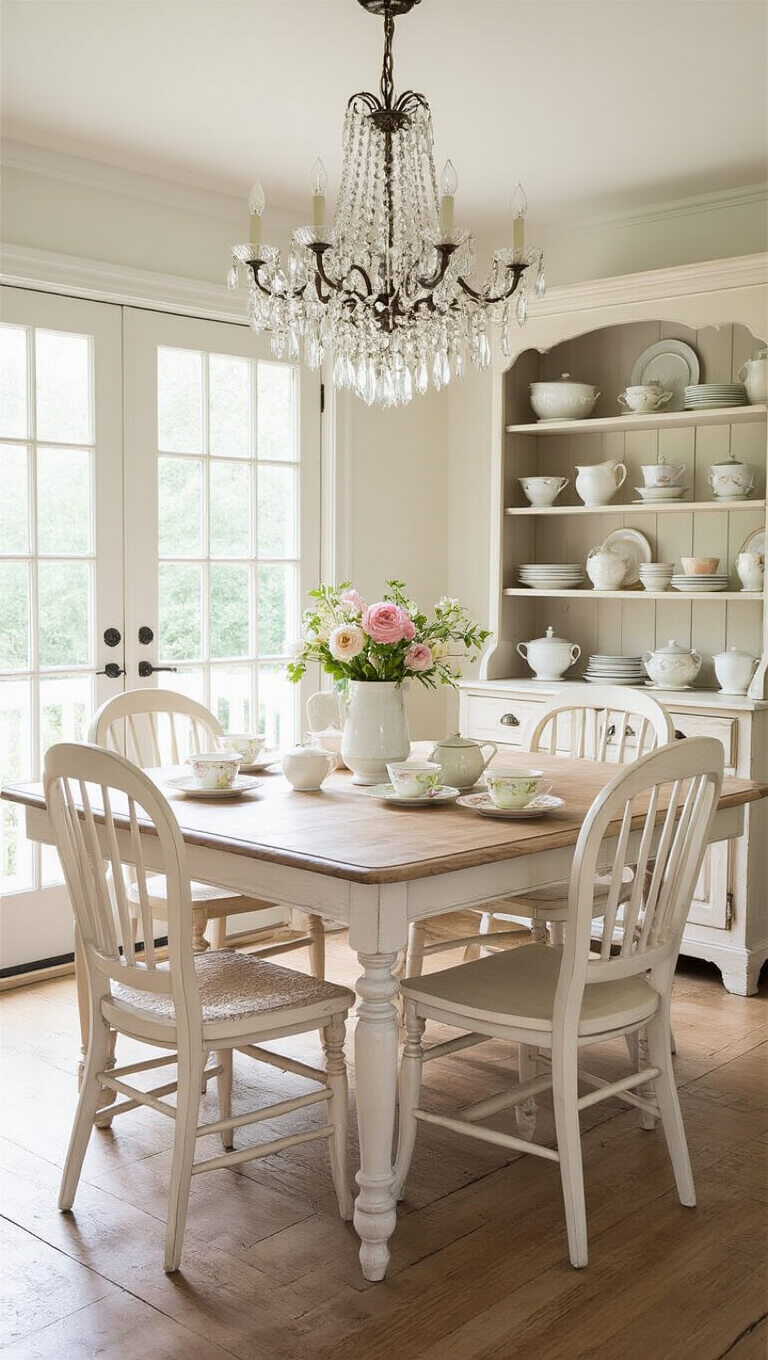
- Combine different fabrics: linen, cotton, lace
- Mix subtle patterns – florals, stripes, checks
- Create depth with varied textile weights
Arrangement Tricks
Styling Hacks:
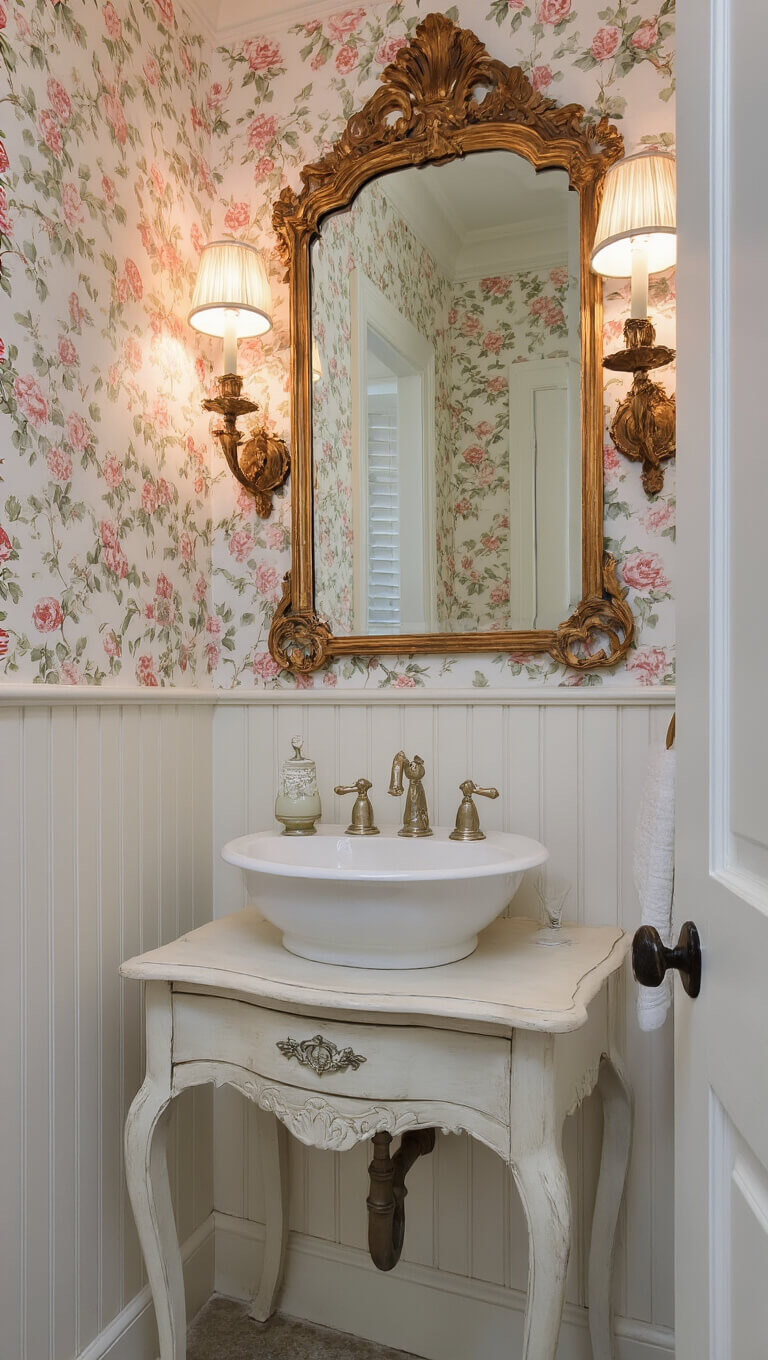
- Use odd-numbered groupings
- Vary heights of decorative items
- Leave breathing room between pieces
- Create cozy vignettes that tell a story
Budget-Friendly Shabby Chic Transformations
Where to Find Shabby Chic Treasures
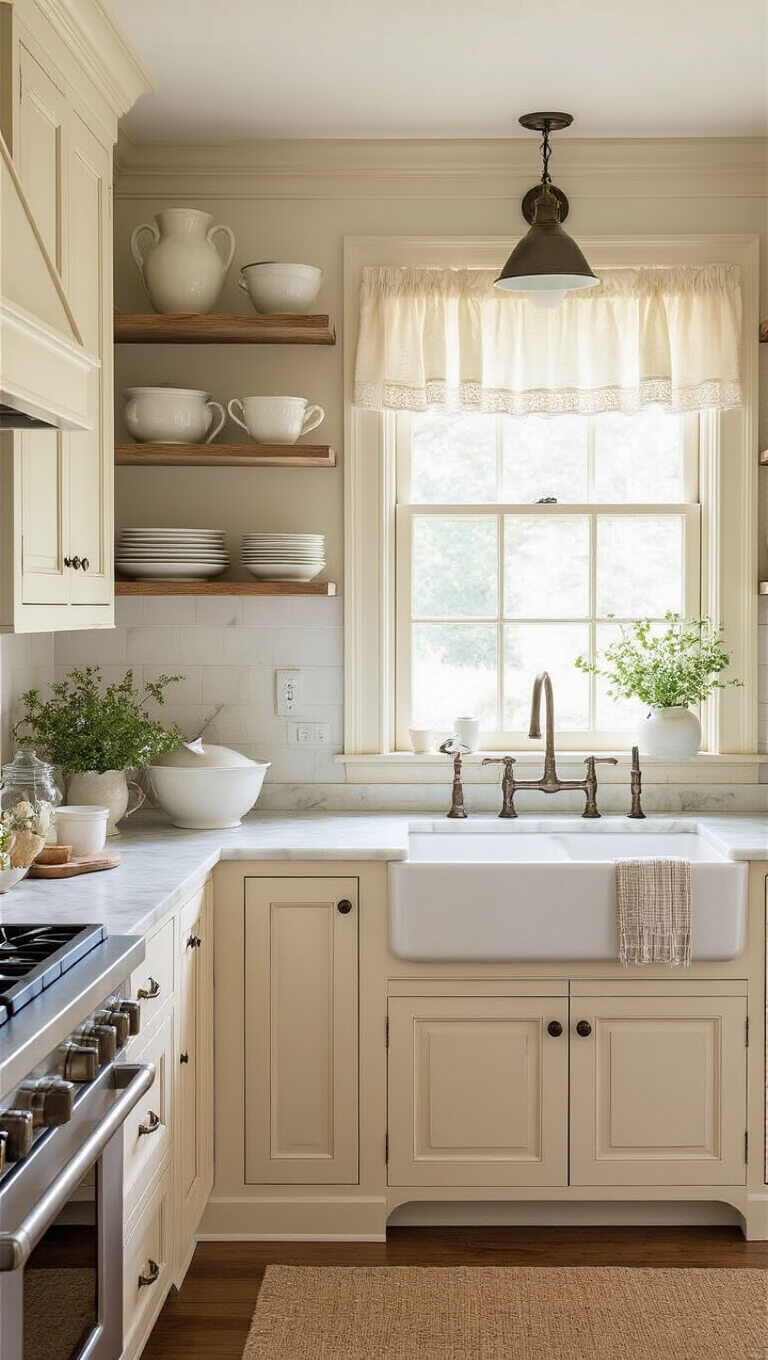
- Thrift stores
- Antique markets
- Online vintage marketplaces
- DIY projects
- Family heirlooms
Pro Tip: Don’t be afraid to paint, distress, or reimagine pieces you already own!
Seasonal Styling Variations
Quick Seasonal Switches:
- Spring: Fresh flowers, light pastels
- Summer: Lightweight linens, more white
- Autumn: Deeper pastels, cozy throws
- Winter: Velvet accents, warm textures
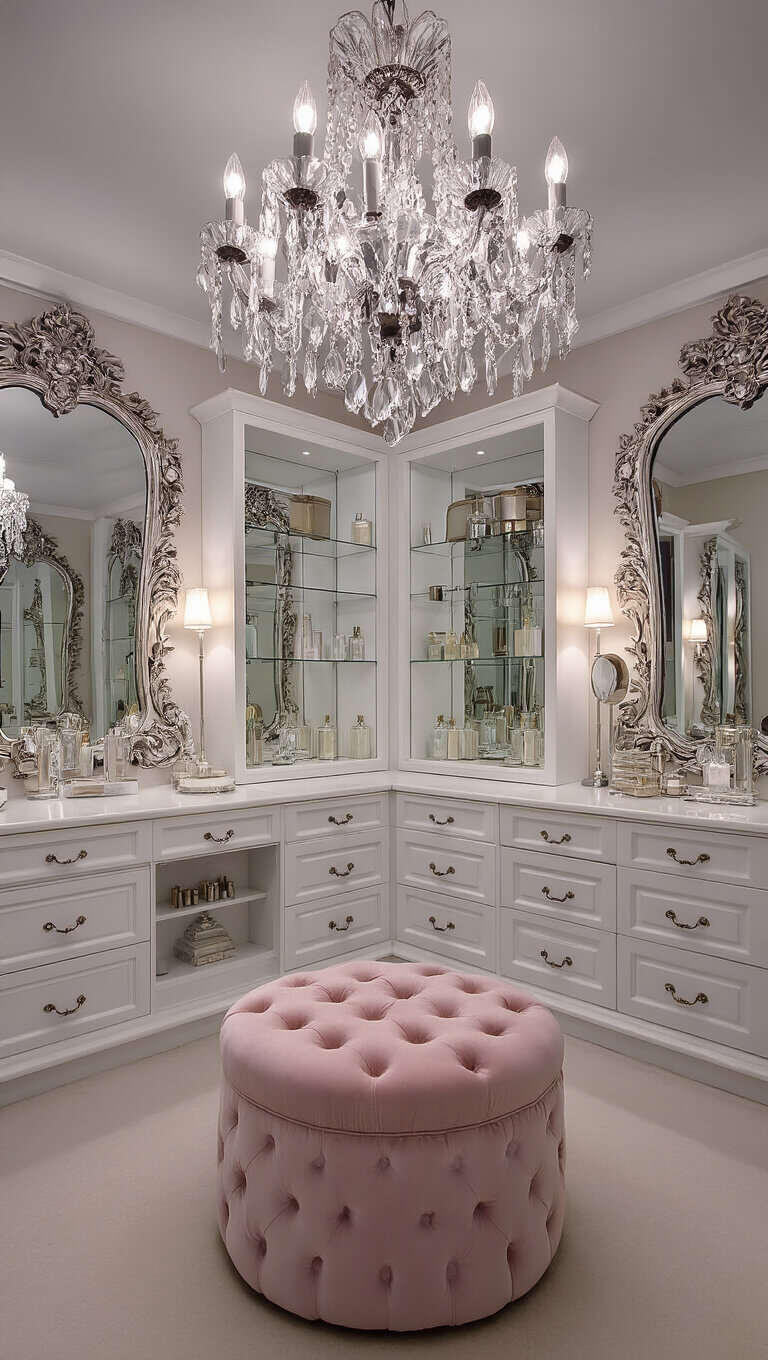
Common Mistakes to Avoid
- Don’t Overcrowd: Less is more in shabby chic
- Avoid Harsh Colors: Stick to soft, muted tones
- Balance is Key: Mix new and vintage pieces
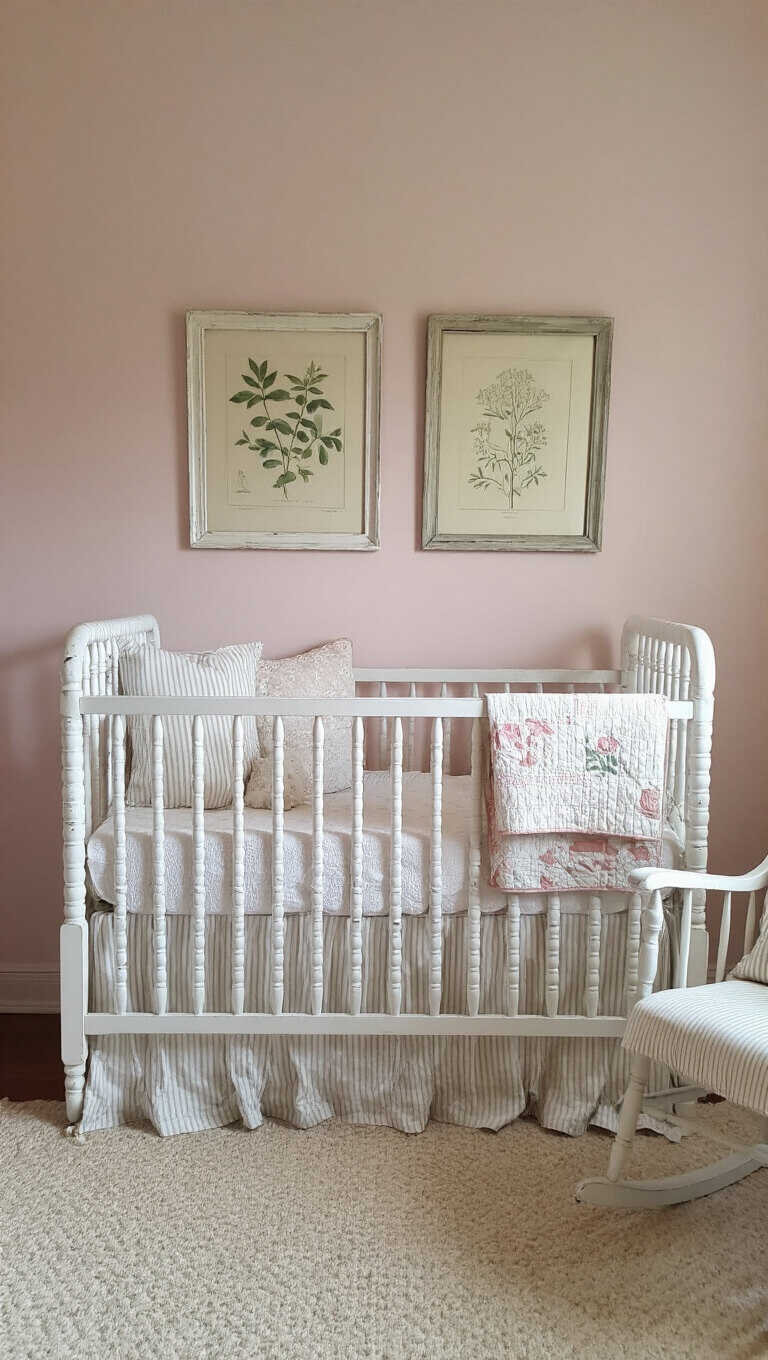
DIY Distressing Techniques
- Gentle sanding of furniture edges
- Whitewashing wooden pieces
- Using chalk paint for soft, aged look
- Adding decorative hardware
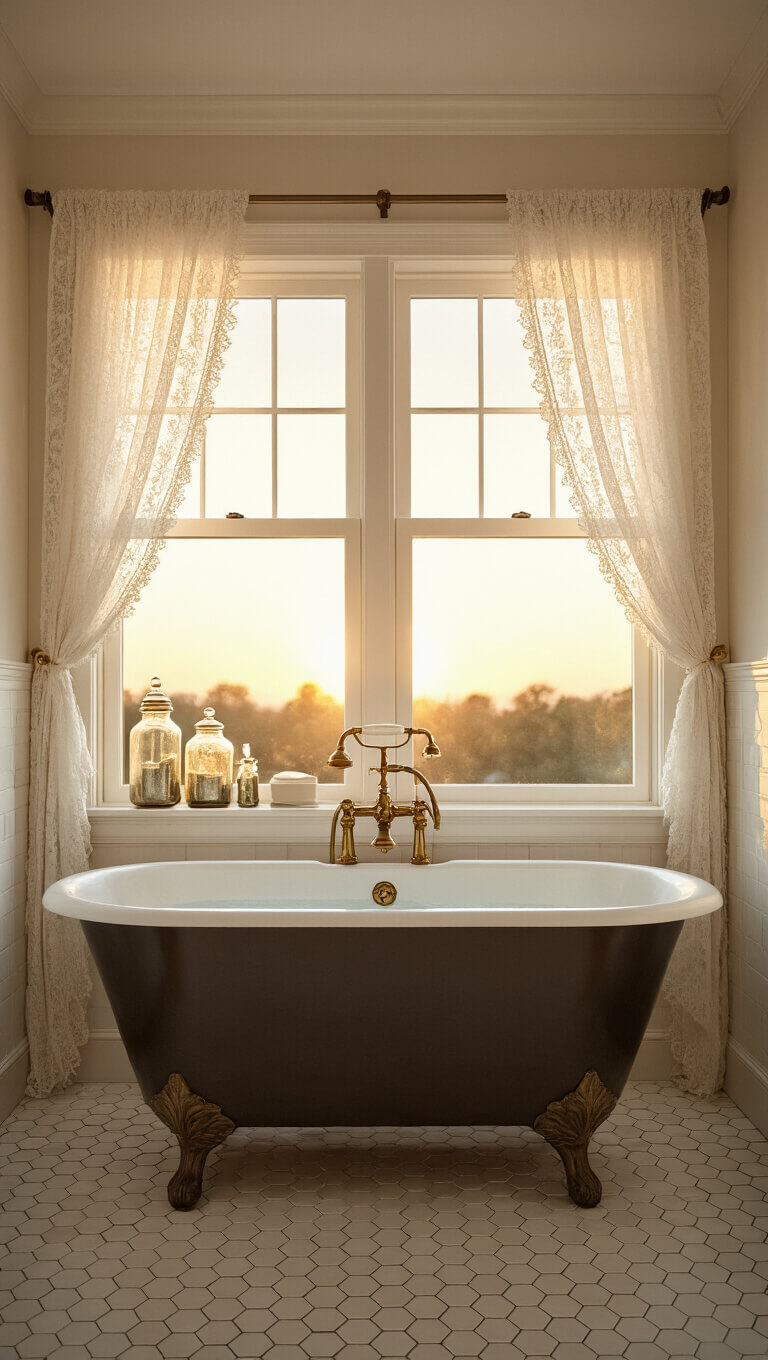
Final Thoughts
Shabby chic isn’t about perfection – it’s about creating a space that feels loved, lived-in, and beautifully imperfect. Your home should tell your story, one vintage piece at a time.
Pro Tip: Remember, the most important element is how the space makes you feel. If it brings you joy, you’ve nailed the shabby chic aesthetic!
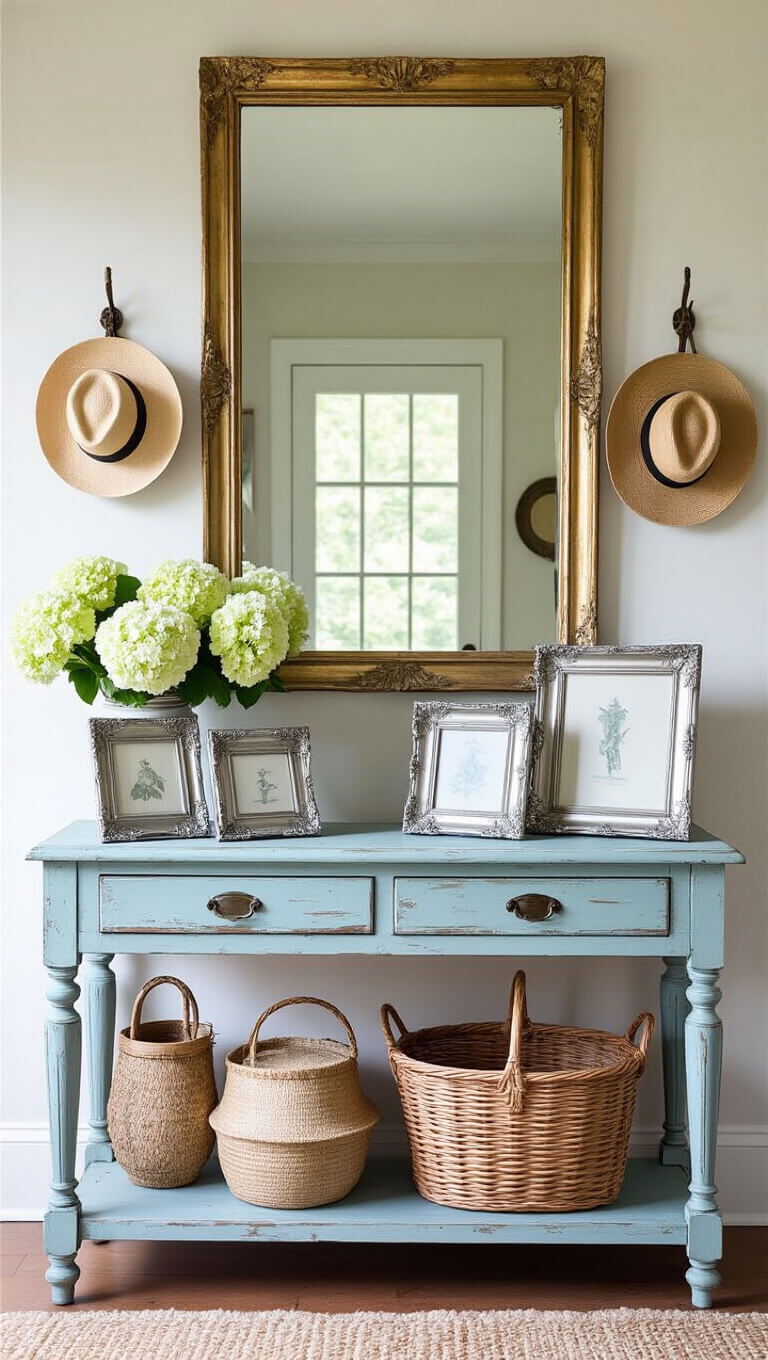
Quick Reference Checklist
- [ ] Soft color palette
- [ ] Vintage-inspired pieces
- [ ] Layered textures
- [ ] Gentle distressing
- [ ] Personal touches