Wabi Sabi Interior Design: Embracing Imperfection’s Beautiful Charm
Imagine walking into a room that whispers stories through its weathered surfaces, where every crack and worn edge tells a tale of beauty beyond perfection. Welcome to the world of wabi sabi, a Japanese design philosophy that turns traditional interior design on its head.
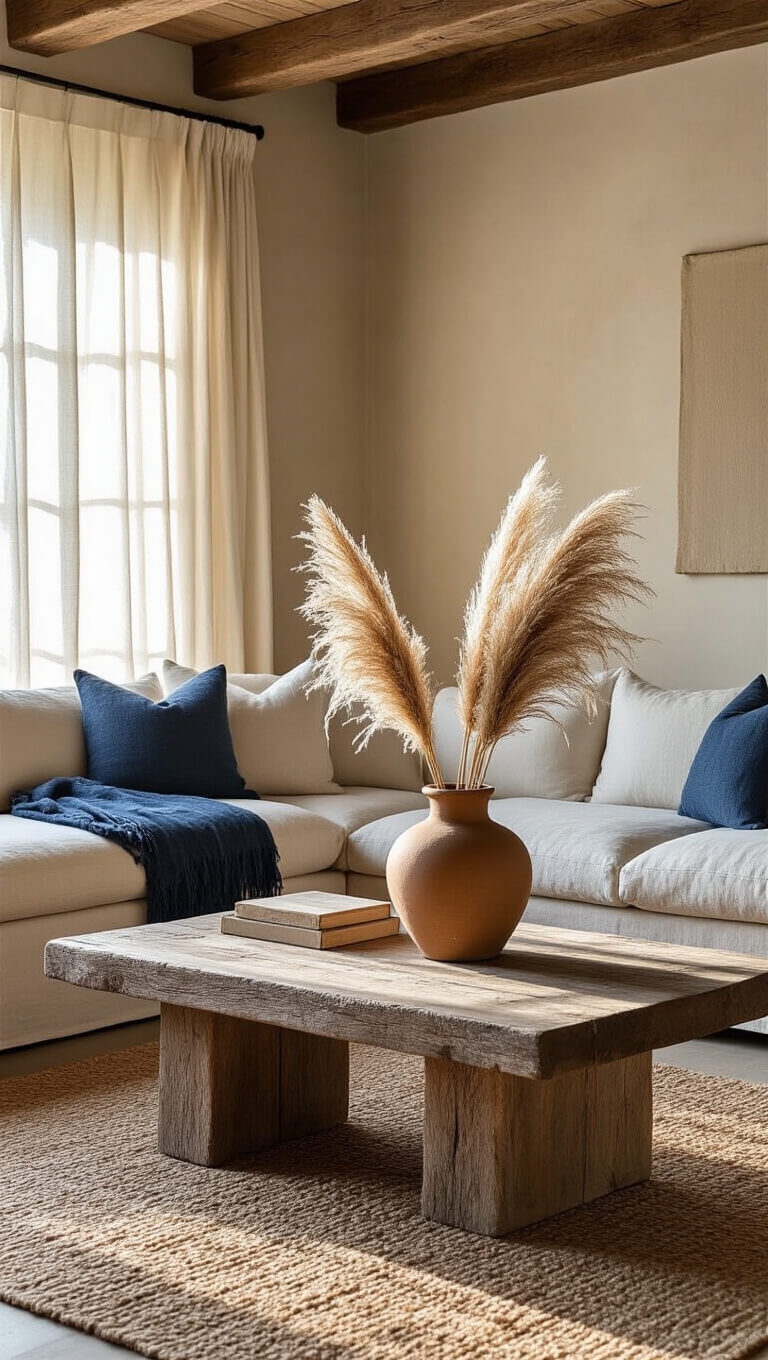
What Exactly is Wabi Sabi?
Wabi sabi isn’t just a design trend—it’s a way of seeing the world. It’s about finding extraordinary beauty in the most ordinary, imperfect things. Think of that chipped ceramic mug that feels just right in your hands, or the wooden table with scratches that map out years of family dinners.
The Heart of Wabi Sabi: Imperfection is Perfect
I’ll be real with you. Most design philosophies chase perfection. Wabi sabi? It laughs at that idea. Here’s what makes it different:
- Celebrate Flaws: Those cracks aren’t mistakes. They’re character.
- Natural is Beautiful: Rough edges, unpolished surfaces, raw materials—these aren’t problems. They’re features.
- Less is More: But not in a cold, sterile way. Think warm, inviting minimalism.
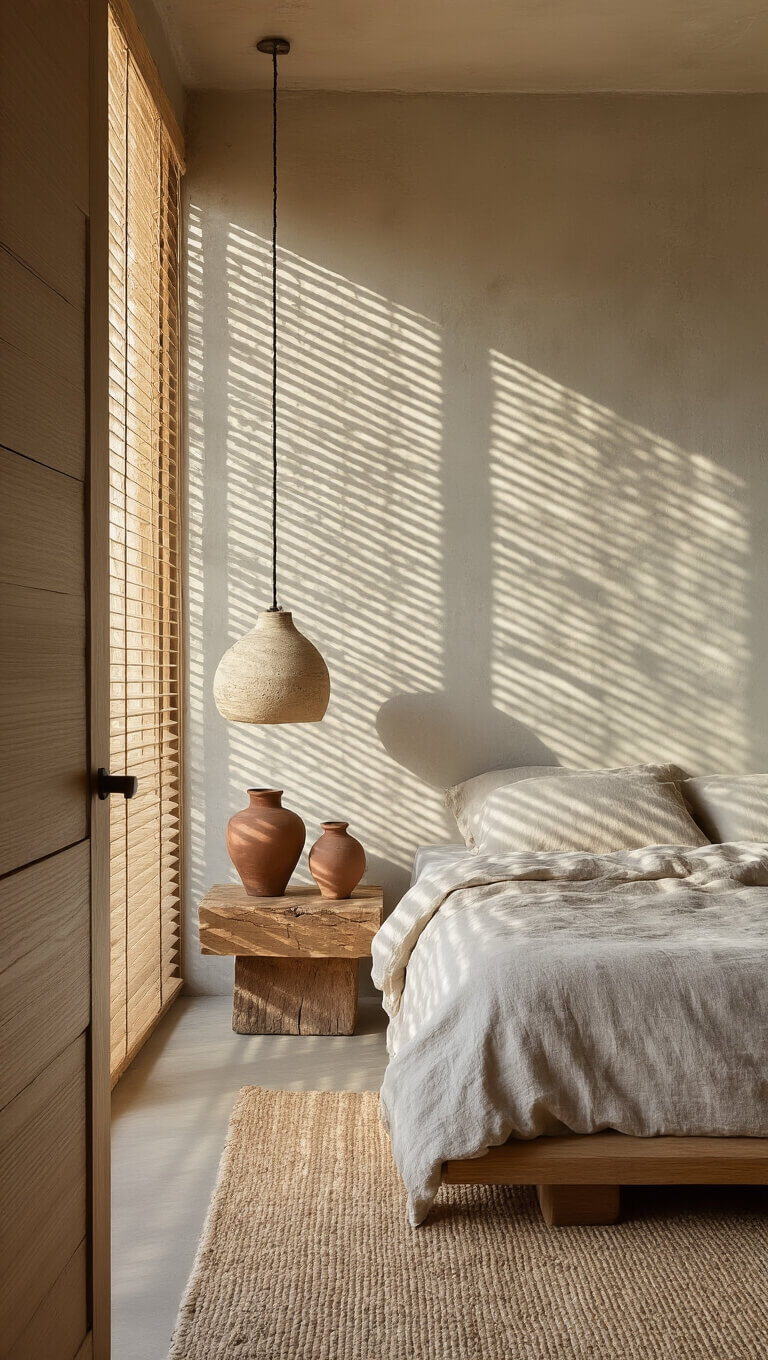
Creating Your Wabi Sabi Space: Practical Tips
1. Materials Matter
Forget glossy, perfect surfaces. We’re talking:
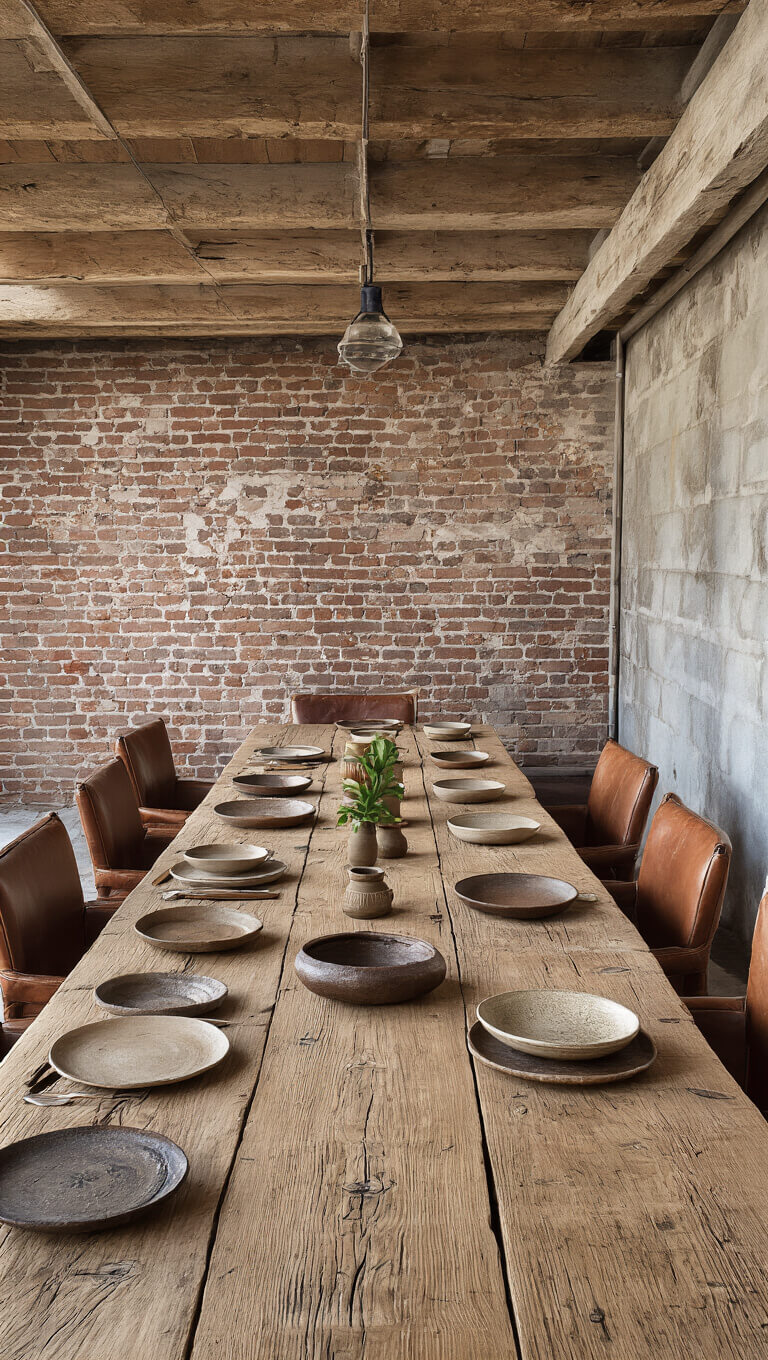
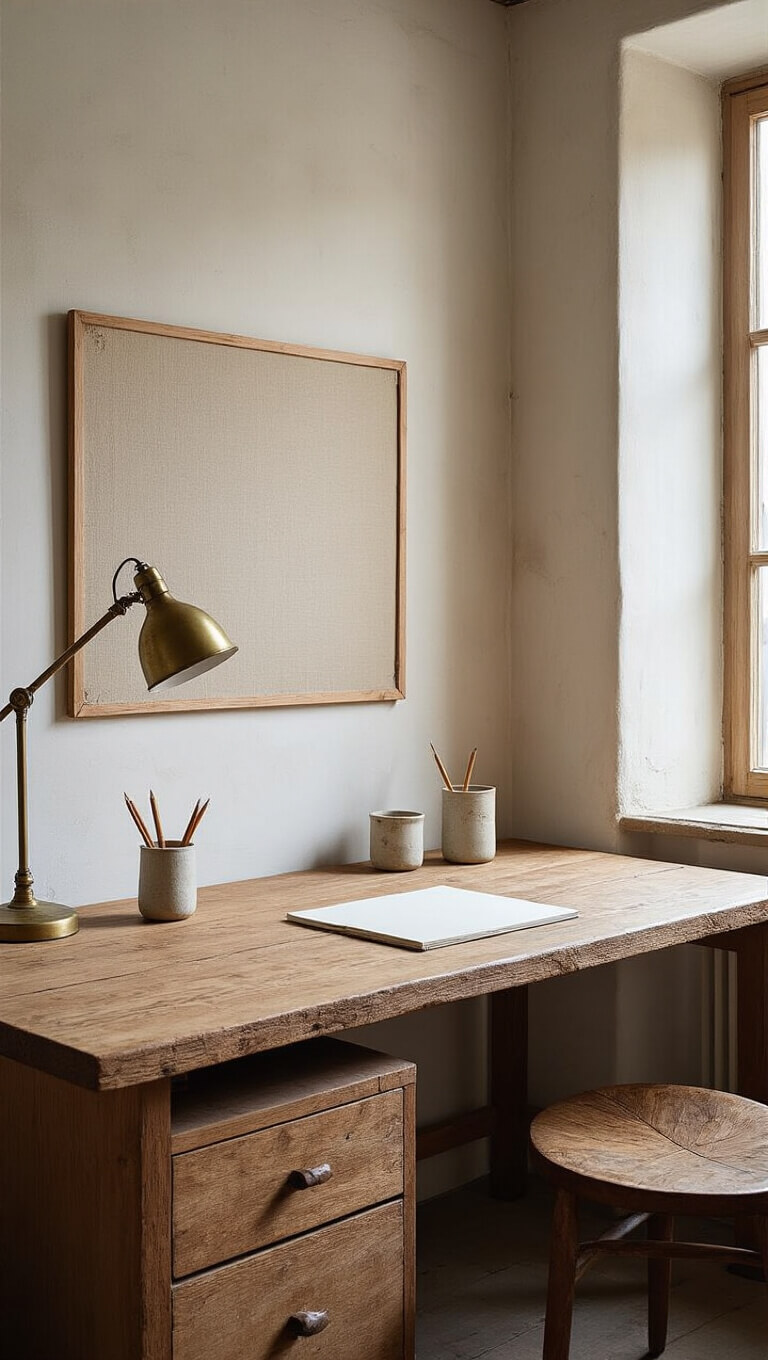
- Rough-hewn wood
- Unglazed ceramics
- Stone with natural variations
- Fabrics that show their age gracefully
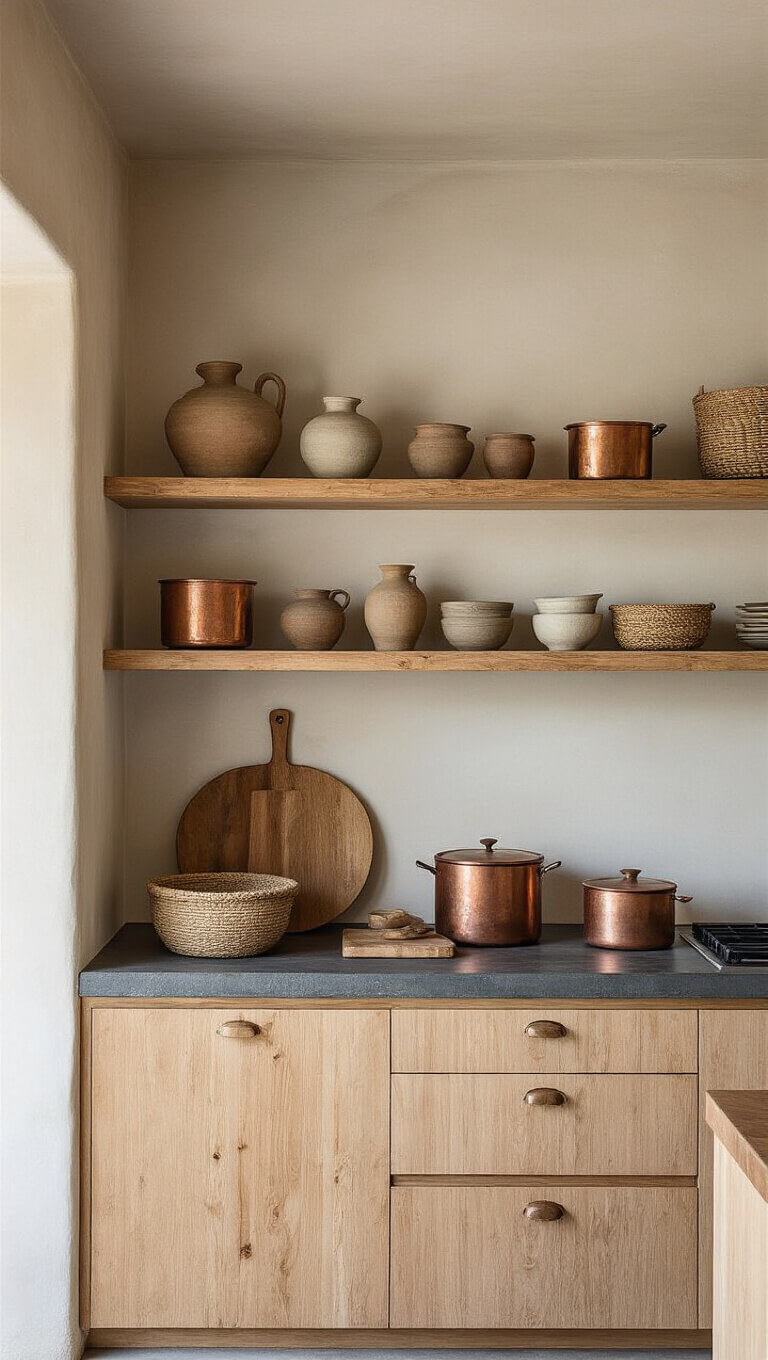
2. Color Palette: Nature’s Whispers
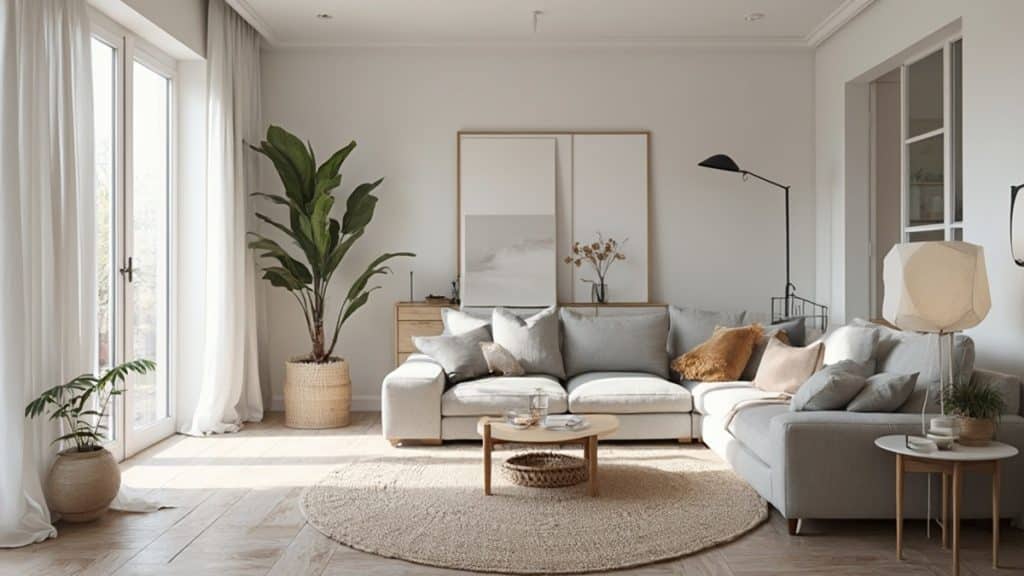
Your color scheme should feel like a quiet walk in the forest:
- Soft browns
- Muted greens
- Gentle grays
- Warm beiges
3. Lighting and Atmosphere
Harsh lights? Nope. Think:
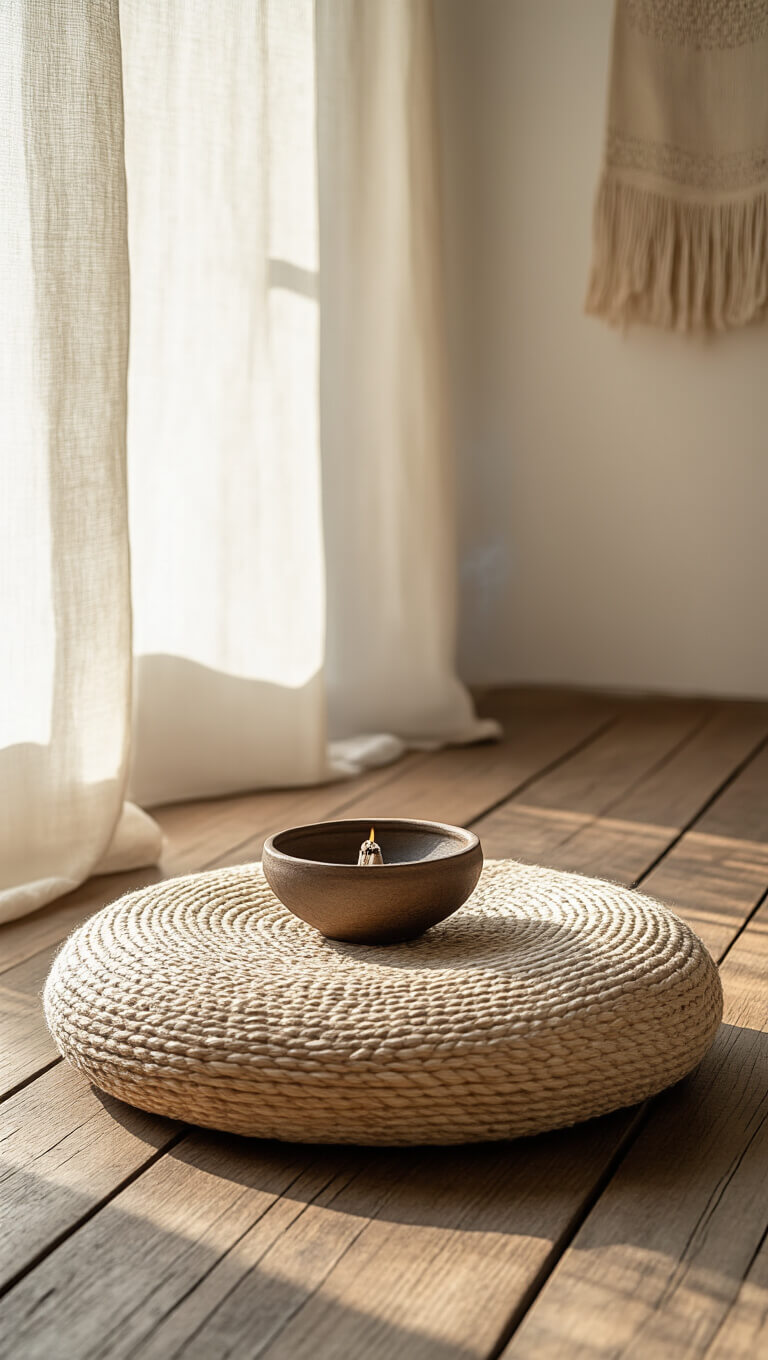
- Soft, warm glows
- Natural light filtering through simple windows
- Shadows that dance and change
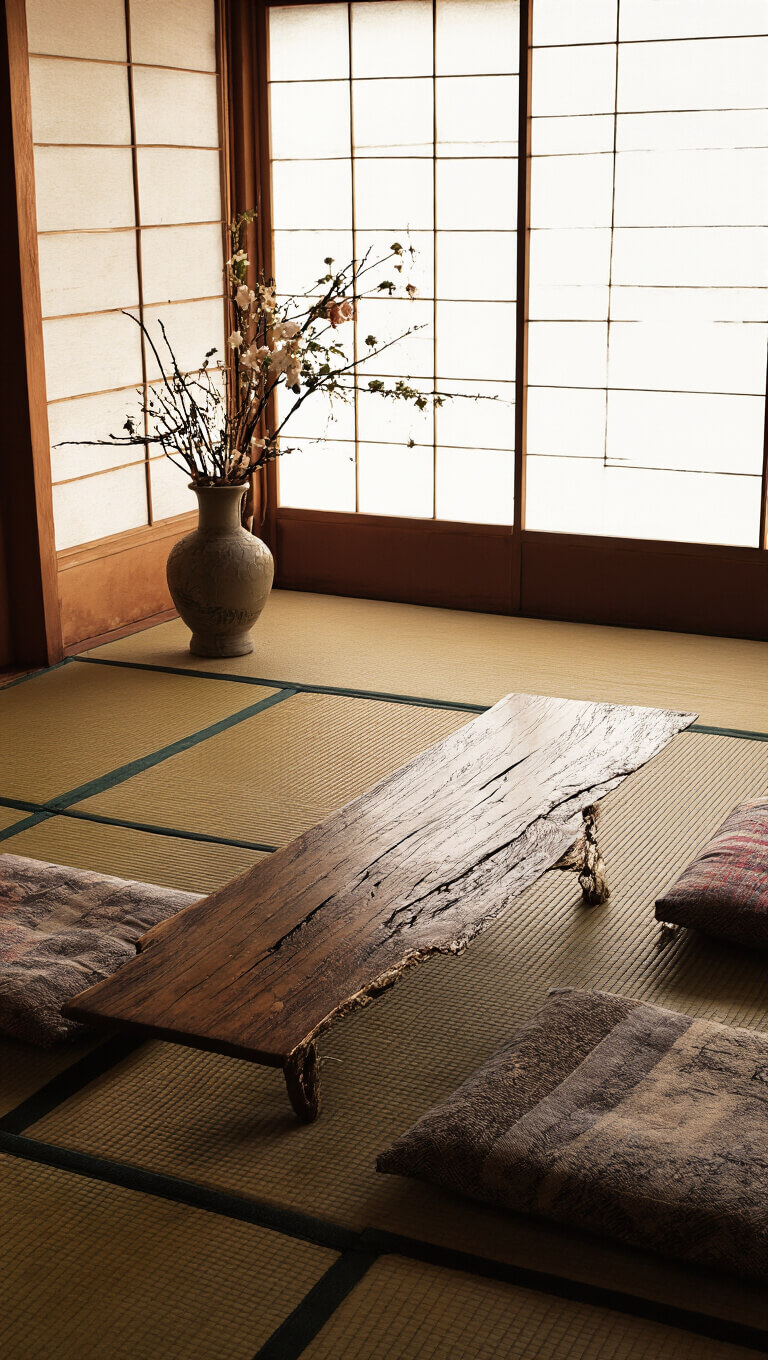
Real-World Wabi Sabi Examples
| Space | Wabi Sabi Element | Why It Works |
|---|---|---|
| Living Room | Vintage rug with visible repairs | Shows history, character |
| Kitchen | Clay bowls with uneven edges | Handmade feels authentic |
| Bedroom | Linen sheets with natural wrinkles | Comfort over perfection |
Common Mistakes to Avoid
- Don’t force “imperfection”
- Avoid clutter (wabi sabi isn’t messy)
- Don’t buy something just because it looks “worn”
The Emotional Impact
Wabi sabi isn’t just about looks. It’s about feeling. It teaches us to:
- Accept change
- Find beauty in simplicity
- Appreciate the moment
Personal Reflection
When I first discovered wabi sabi, it changed everything. Suddenly, that old family chair wasn’t just old—it was a treasure. Those little marks? They’re memories.
Pro Tips for Wabi Sabi Beginners
- Start small
- Choose objects that genuinely speak to you
- Mix textures
- Let natural light be your best friend
“Perfection is boring. Imperfection is everything.” – Unknown
Final Thoughts
Wabi sabi isn’t a design rule. It’s a philosophy. It whispers that beauty isn’t about being perfect—it’s about being real.
Ready to embrace the beautiful imperfection?